


 中文简体
中文简体 English
 Français
 Deutsch
 عربى
عربىCat6 vs. Cat6A: What's the Difference and Which One Should You Choose?
Home / News / Industry News / Cat6 vs. Cat6A: What's the Difference and Which One Should You Choose?

Content
As networks continue to support more connected devices, cloud applications, high-resolution video and power-hungry equipment, selecting the right Ethernet cabling has become increasingly important.
Cat6 and Cat6A are two widely used cabling categories for enterprise networks, data centers, commercial buildings and other structured cabling applications. Although their names are similar, they differ in bandwidth, 10 Gigabit Ethernet performance, cable construction, interference control and cost.
So, what is the difference between Cat6 and Cat6A, and which one is better for your network? Let’s compare them from several important perspectives.
Standards and Specifications
Both Cat6 and Cat6A are recognized cabling categories defined by international structured cabling standards.
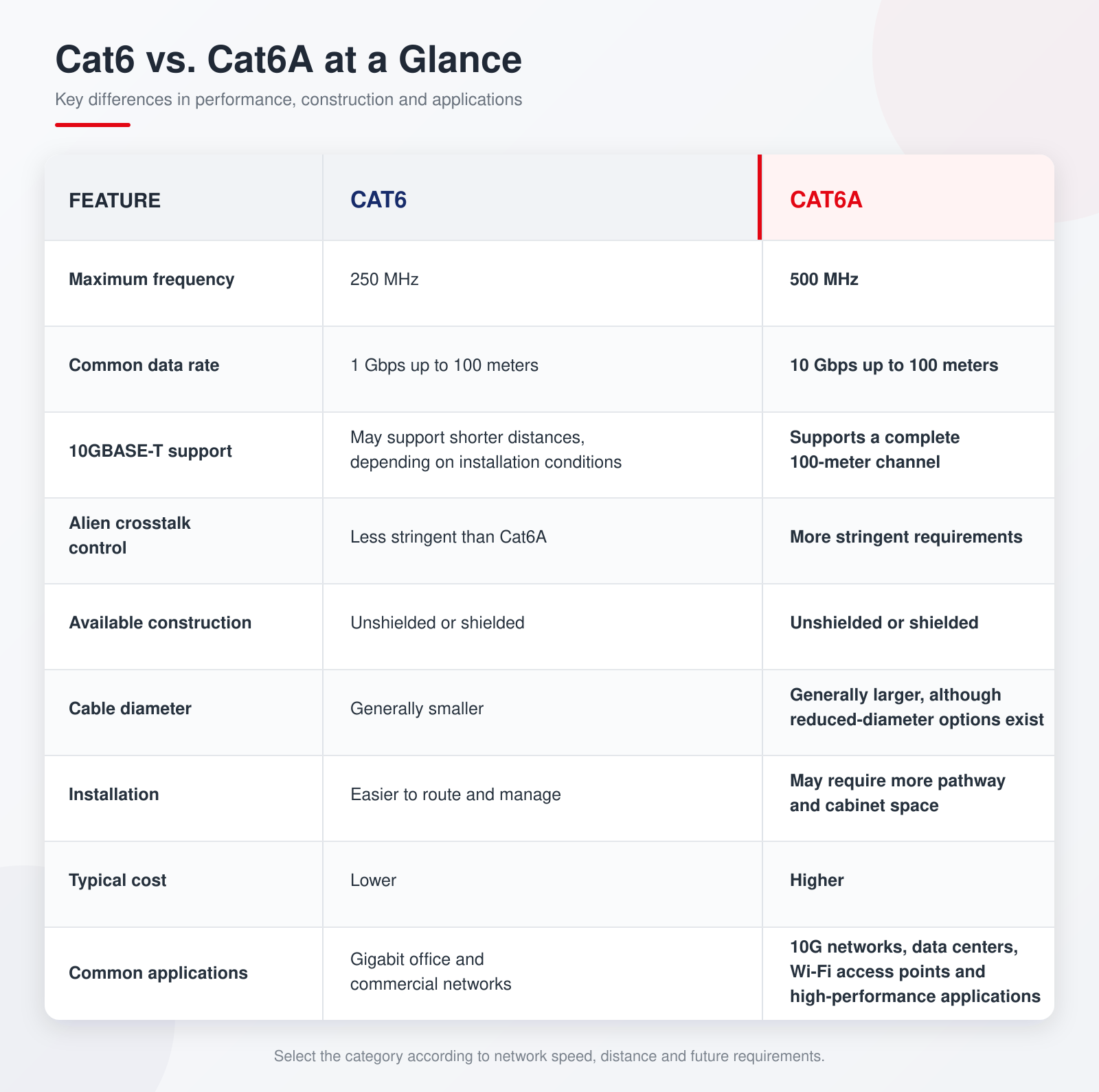
Cat6 is specified for performance up to 250 MHz. It is widely used in Gigabit Ethernet networks and can support data rates of up to 1 Gbps over a 100-meter channel.
Cat6A, short for Category 6 Augmented, extends the operating frequency to 500 MHz. It was developed to provide more reliable support for 10GBASE-T over a complete 100-meter cabling channel.
This makes Cat6A a more suitable option for networks that require higher bandwidth, longer 10 Gigabit transmission distances and greater performance headroom.
One of the most important differences between Cat6 and Cat6A is their 10 Gigabit Ethernet performance.
Cat6 can support 10Gbps transmission, but generally only over shorter distances. Depending on cable construction, installation quality and the surrounding interference environment, the recommended distance is typically between 37 and 55 meters.
Cat6A is specifically designed to support 10Gbps transmission over a full 100-meter channel. This makes its performance more predictable in larger enterprise networks, commercial buildings and data centers.
For standard Gigabit Ethernet applications, Cat6 is often sufficient. However, when a network requires 10Gbps over longer distances, Cat6A is the more reliable choice.
Cat6 is characterized to 250 MHz, while Cat6A is characterized to 500 MHz.
The higher frequency of Cat6A provides more bandwidth for transmitting data and helps the cabling system maintain reliable performance in demanding network environments.
However, a higher frequency does not mean that every Cat6A cable will automatically perform well. Cable construction, conductor quality, pair-twist consistency, connector design and termination quality all affect the actual performance of a Cat6A channel.
This is why verified test results are more meaningful than the category marking printed on the cable jacket alone.
Crosstalk occurs when signals from one wire pair or cable interfere with another. As transmission frequencies increase and cables are installed in dense bundles, controlling interference becomes increasingly important.
Cat6A has more stringent requirements for controlling alien crosstalk—the interference transferred from one cable to an adjacent cable. This is particularly important for reliable 10GBASE-T transmission.
To meet these requirements, Cat6A cables may use optimized pair spacing, different twist rates, internal separators or shielding. The exact construction varies by manufacturer and product design.
It is also important to understand that Cat6A does not always mean shielded. Both Cat6 and Cat6A are available in unshielded and shielded versions, including:
The appropriate construction should be selected according to the electromagnetic environment, grounding conditions, installation density and project requirements.
Cat6A cables are generally thicker than Cat6 cables because they often use larger conductors, additional spacing or shielding to achieve the required performance.
The larger diameter can affect:
Cable routing
Bend radius
Patch-panel density
Cable-tray capacity
Cabinet airflow
Connector compatibility
Installation time
Cat6 is usually easier to install in space-limited environments. Cat6A may require more planning, especially in high-density cabinets or pathways.
Reduced-diameter Cat6A patch cords can help improve airflow and cable management, but their conductor size, PoE capability and transmission performance should be carefully verified before selection.
Cat6A and Power over Ethernet
Both Cat6 and Cat6A can support Power over Ethernet applications. However, higher-power PoE systems place additional demands on the cabling.
When multiple powered cables are bundled together, electrical resistance can generate heat. Conductor material, wire gauge, cable construction, bundle size and ambient temperature can all affect thermal performance.
Cat6A is often selected for applications involving high-power PoE, wireless access points, IP cameras, intelligent lighting and building automation because its construction can provide greater performance headroom.
Nevertheless, the category alone does not guarantee PoE performance. Buyers should also check:
Whether the conductors are made of pure copper
Conductor gauge and DC resistance
DC resistance unbalance
Cable temperature rating
Connector quality
Compliance with applicable PoE requirements
Test results provided by the manufacturer
Typical Applications
When Is Cat6 a Suitable Choice?
Cat6 is suitable for applications such as:
Standard office networks
Gigabit Ethernet connections
Small and medium-sized business networks
Schools and commercial buildings
Network connections with moderate bandwidth requirements
Projects with limited budgets or installation space
For networks that primarily operate at 1Gbps and are unlikely to require a full 100-meter 10Gbps channel, Cat6 can provide a practical balance between performance and cost.
When Should You Choose Cat6A?
Cat6A is better suited to:
10 Gigabit Ethernet networks
Data centers and server rooms
Enterprise network infrastructure
Wi-Fi 6, Wi-Fi 6E and Wi-Fi 7 access points
High-power PoE applications
Healthcare and financial facilities
High-bandwidth video and multimedia systems
New installations designed for long-term network growth
Because replacing installed cabling can be expensive and disruptive, Cat6A is often selected for new projects that require greater bandwidth and a longer infrastructure lifecycle.
Cost Considerations
Cat6A generally costs more than Cat6 due to its higher performance requirements, more complex construction and larger cable diameter. Installation costs may also be higher because Cat6A requires more pathway space and careful cable management.
However, purchase price should not be the only consideration.
The total cost of a cabling system also includes installation, testing, maintenance, downtime and future replacement. For a new enterprise network expected to remain in service for many years, the additional investment in Cat6A may help reduce the need for an early cabling upgrade.
How to Choose Between Cat6 and Cat6A
Before making a decision, consider the following questions:
Does the network require 10Gbps transmission?
What is the maximum transmission distance?
Will the cabling support high-power PoE devices?
How many cables will be installed in each bundle?
Is the installation environment affected by electromagnetic interference?
Is there enough pathway and cabinet space for larger cables?
How long is the cabling infrastructure expected to remain in service?
Can the supplier provide relevant certifications and test reports?
If the network mainly requires Gigabit Ethernet and cost is a key consideration, Cat6 may be sufficient.
If the project requires 10Gbps over longer distances, higher PoE power, better alien crosstalk control or greater capacity for future upgrades, Cat6A is generally the better choice.
Conclusion
Cat6 and Cat6A are both reliable cabling options, but they are designed for different network requirements.
Cat6 offers a cost-effective solution for standard Gigabit networks, while Cat6A provides twice the frequency, reliable 10Gbps transmission over a 100-meter channel and more stringent alien crosstalk performance.
Whichever category you choose, reliable network performance depends on more than the label on the cable. Conductor quality, connector design, manufacturing consistency and verified testing are equally important.
EXW manufactures Cat6 and Cat6A patch cords in a range of lengths, colors, conductor sizes and connector designs. Our patch cords are available with pure copper conductors, 50µin gold-plated contacts, 4PPoE support and professional Fluke testing to help ensure reliable power and data transmission.
Looking for the right patch cord for your network project? Contact us to discuss your specifications and customization requirements.
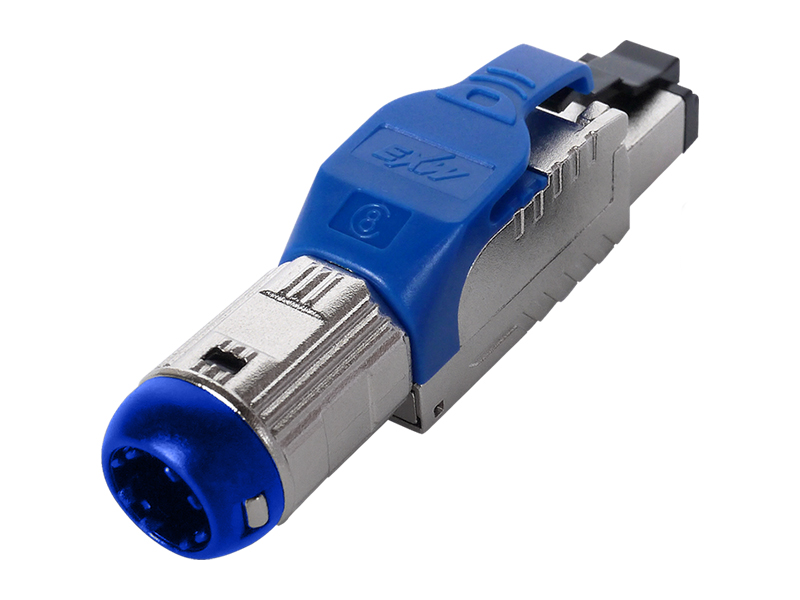
Cat.8 Field Termination Plug | GHMT Certified RJ45 Connector for 40G Ethernet Cabling
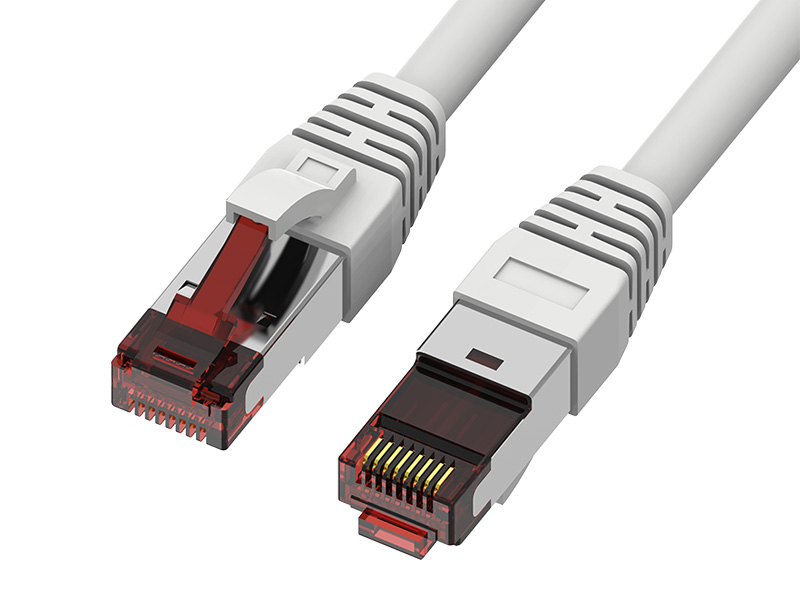
Cat.6A S/FTP Patch Cord | Fluke Tested 10G Shielded RJ45 Ethernet Cable
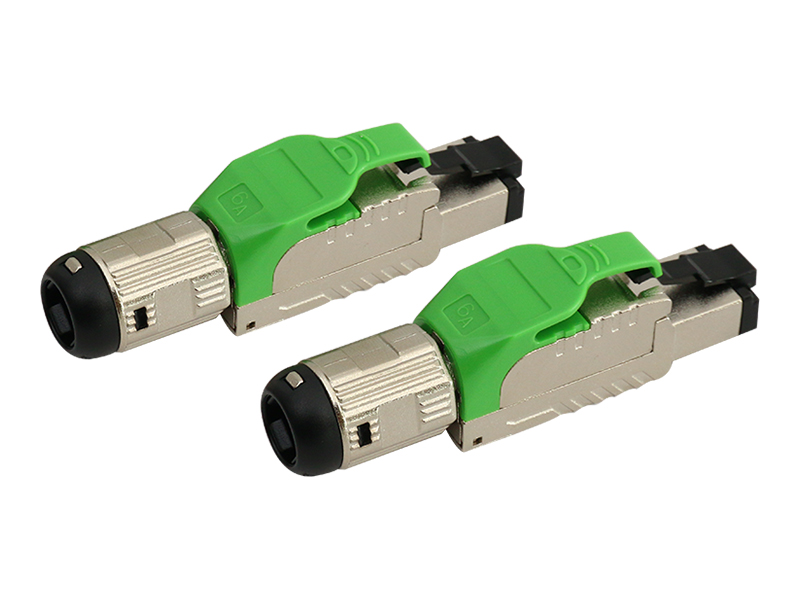
Cat.6A Field Termination Plug | Shielded RJ45 Connector for 10G Ethernet & 4PPoE Cabling
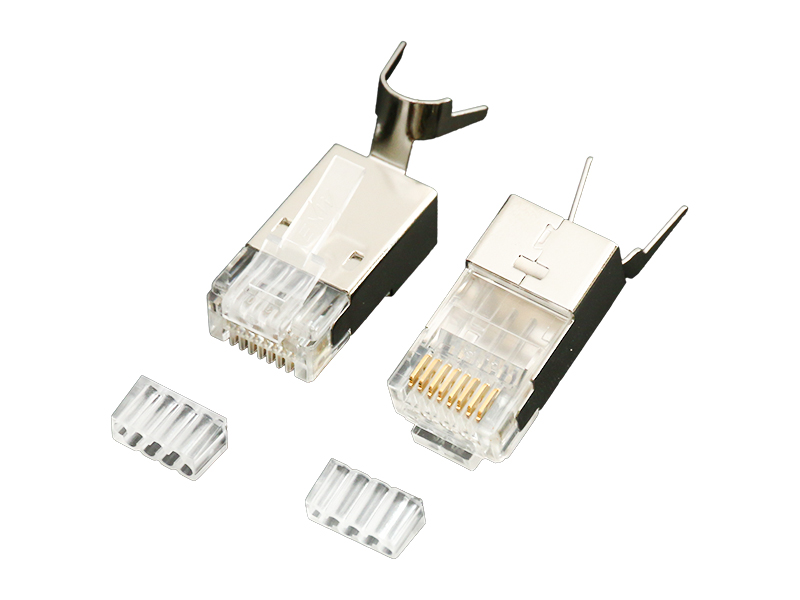
Fat OD Modular Plug | RJ45 Connector for Large Diameter Ethernet Cable Applications
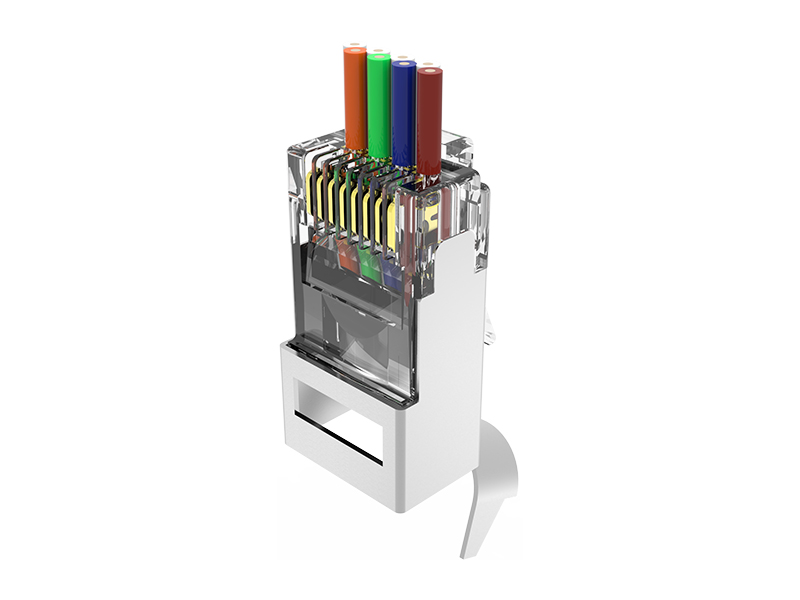
Fat OD Pass-Through Plug | RJ45 Connector for Large Diameter Ethernet Cable Applications
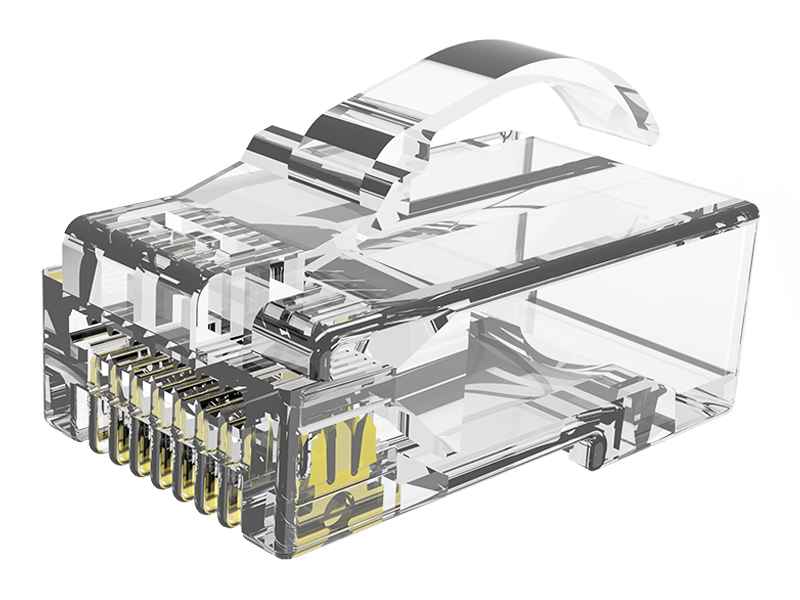
Cat.5E UTP Arch Latch Modular Plug | RJ45 8P8C Connector for Ethernet Cabling
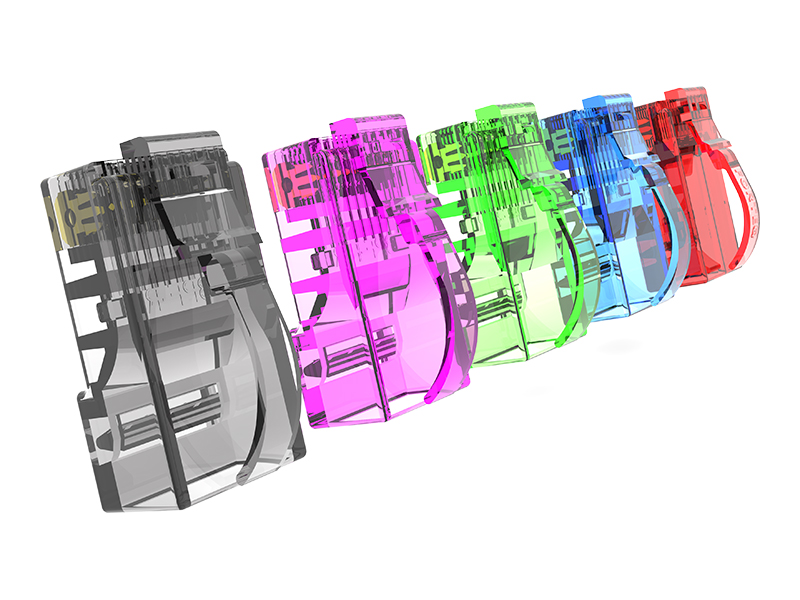
Cat.5E STP Arch Latch Modular Plug | Shielded RJ45 8P8C Connector for Ethernet Cabling
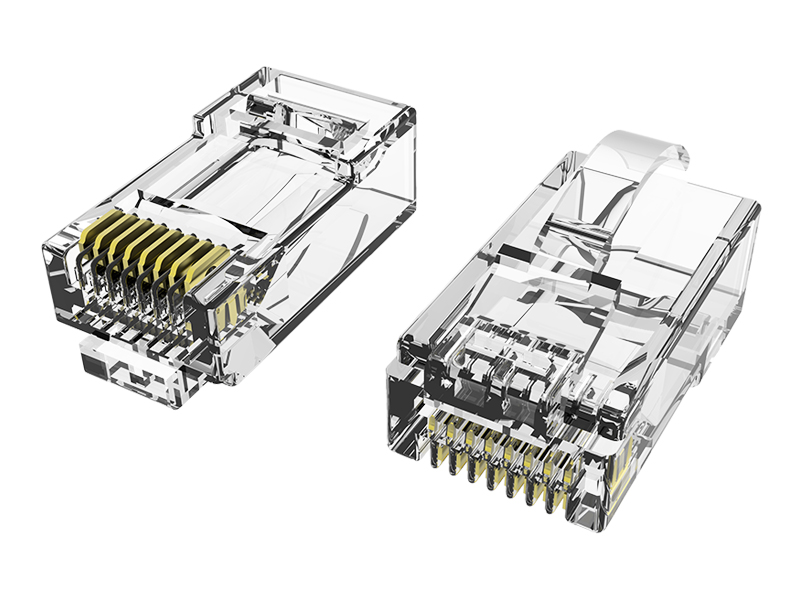
Cat.6 UTP Arch Latch Modular Plug | RJ45 8P8C Connector for Ethernet Cabling
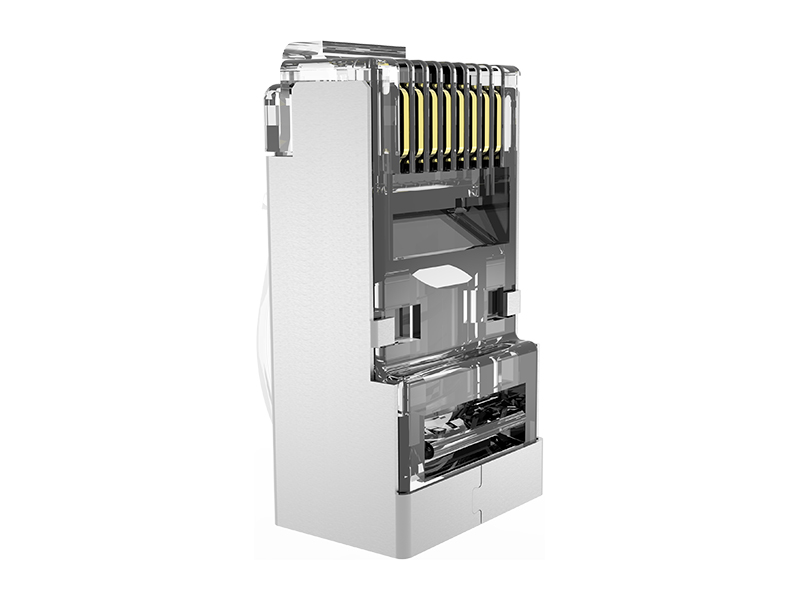
Cat.6 STP Arch Latch Modular Plug | Shielded RJ45 8P8C Connector for Ethernet Cabling
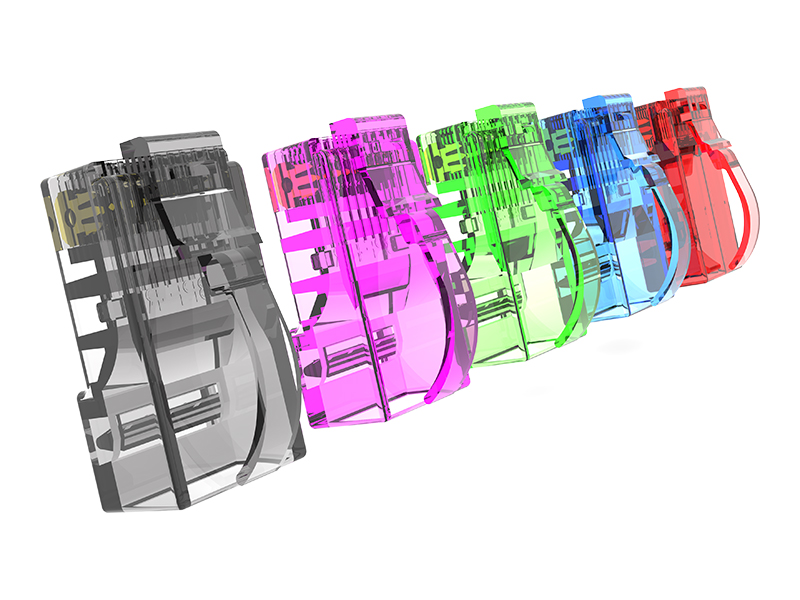
Cat.6A UTP Arch Latch Modular Plug | RJ45 8P8C Connector for 10G Ethernet Cabling
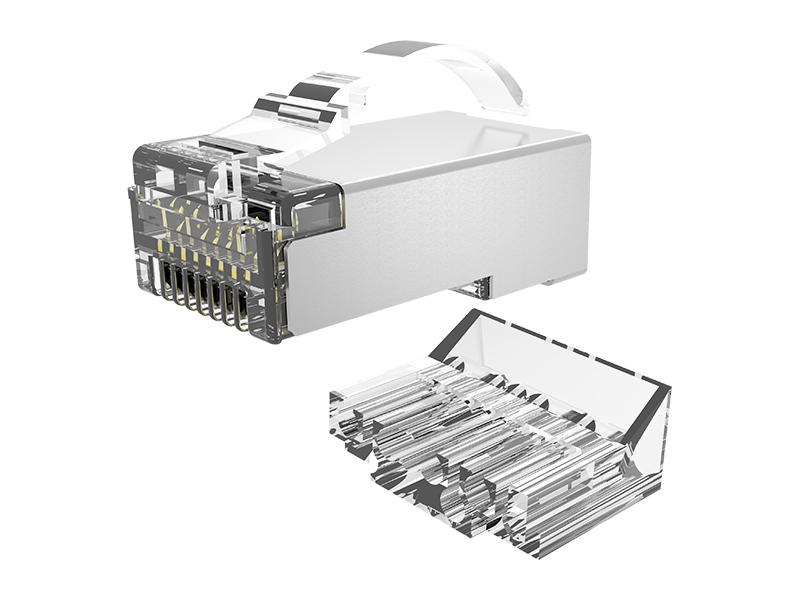
Cat.6A STP Arch Latch Connector | Shielded RJ45 8P8C Connector for 10G Ethernet Cabling
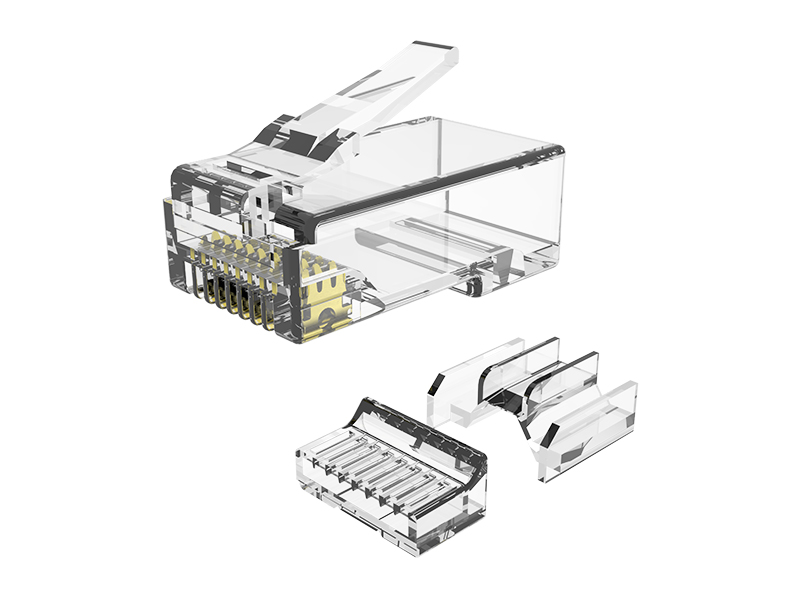
Cat.6A UTP 3R Modular Plug | RJ45 8P8C Connector for 10G Ethernet Cabling

 No. 651, Hengshanxi Road, Beilun, Ningbo, Zhejiang Province, China
 sales@nbexw.com
 +86-574-86868738
 +86 138 5828 0875