

 中文简体
中文简体 English
 Français
 Deutsch
 عربى
عربى
Where Is Cat8 Cabling Used
Cat8 cabling is designed mainly for short, high-speed copper links in data centers, equipment rooms, and specialized network test environments. It supports a bandwidth of up to 2,000 MHz and was developed for 25GBASE-T and 40GBASE-T Ethernet over a channel of up to 30 meters. These limits make Cat8 suitable for connections inside a row of cabinets or between nearby network equipment, rather than for general horizontal cabling throughout an office building.
Cat8 can also operate with lower Ethernet speeds, and RJ45-based Category 8.1 systems are physically backward compatible with familiar RJ45 connections. That does not mean every network benefits from Cat8. The installed equipment, link length, connector quality, shielding, and test results all determine whether the extra performance can be used.
What Cat8 Cabling Was Designed For
IEEE 802.3bq defined 25GBASE-T and 40GBASE-T operation over balanced twisted-pair copper cabling. TIA Category 8 and ISO/IEC Class I and Class II cabling provide the transmission performance required for those applications. Unlike Cat6A and earlier categories, Cat8 is a shielded system and is tested across a frequency range extending to 2,000 MHz.
For 25 Gb/s and 40 Gb/s applications, a Category 8 channel is limited to 30 meters. A typical standards-based channel allows up to 24 meters of permanent cabling plus patch and equipment cords within the total channel length. This shorter reach explains where Cat8 makes the most sense: close to active equipment where copper connectivity, high bandwidth, and an RJ45 interface are required.
Where Cat8 Cabling Is Used
Data Center Server and Switch Connections
The primary application for Cat8 is a short connection between servers, switches, and related equipment in a data center. In a top-of-rack layout, servers connect to a switch installed in the same cabinet. In other layouts, the switch may be located in a nearby cabinet or at the end of a row. When the total copper channel remains within 30 meters, Cat8 can provide a standards-based path for 25GBASE-T or 40GBASE-T equipment.
Cat8 is one option rather than the default choice for every data center link. Direct-attach copper and fiber are also widely considered for high-speed equipment connections. The right medium depends on port type, distance, power consumption, cable management, upgrade plans, and the network operator's preference for copper or optical infrastructure.
Equipment Rooms and High Bandwidth Copper Links
TIA describes Category 8 cabling for data centers, equipment rooms, and other spaces that require high-speed applications. It can therefore be used for short connections between nearby switches, storage equipment, servers, and test devices when the project calls for shielded balanced copper cabling. The 30-meter channel limit still applies when the link is intended for 25GBASE-T or 40GBASE-T.
Network Laboratories and Product Validation
Cat8 is also useful in laboratories that develop, qualify, or demonstrate high-speed network equipment. A test environment may require short cables in several lengths, repeatable connector assemblies, and verified channel performance up to 2,000 MHz. These installations are usually controlled environments, so technicians can manage shielding, grounding, bend radius, and connector compatibility more carefully than in a general office installation.
Edge and Modular Data Center Installations
Compact edge facilities and modular data centers can contain short equipment-to-equipment links similar to those found inside larger data centers. Cat8 may be considered when these links remain within its distance limit and the active equipment supports the required copper interface. This is an application-based design choice, not a claim that every edge facility needs Cat8.
Can Cat8 Be Used in Offices
Cat8 can carry 10GBASE-T and lower-speed Ethernet, but most office networks do not need it. Cat6A already supports 10GBASE-T over a channel of up to 100 meters, which better matches the longer horizontal runs found between telecommunications rooms and work areas. Installing Cat8 for ordinary desktop connections may add cost, cable diameter, termination requirements, and shielding considerations without improving the speed of the connected devices.
An office may still choose Cat8 for a specific short link in an equipment room or lab. The decision should be based on the application and channel design rather than the assumption that a higher category number always produces a faster network.
Can Cat8 Be Used at Home
RJ45-based Cat8 patch cords can connect to many home routers, switches, computers, and game consoles because the connector is physically compatible. The connection will operate at the highest speed supported by the two devices and the complete channel. A Cat8 cord cannot turn a 1 Gb/s router port into a 10, 25, or 40 Gb/s port.
For most homes, Cat6 or Cat6A provides enough performance and is easier to route. Cat8 may be reasonable for a short rack connection in a home lab, but it is usually unnecessary for general in-wall cabling or internet access.
Cat8 and Cat6A Application Comparison
|
Comparison |
Cat6A |
Cat8 |
|
Maximum frequency |
500 MHz |
2,000 MHz |
|
High-speed application |
10GBASE-T |
25GBASE-T and 40GBASE-T |
|
Channel length at stated speed |
Up to 100 m for 10GBASE-T |
Up to 30 m for 25GBASE-T or 40GBASE-T |
|
Typical use |
Office horizontal cabling, Wi-Fi access points, building networks |
Short data center and equipment-room links |
|
Shielding |
Shielded or unshielded options |
Shielded system |
|
Practical choice |
Longer structured cabling runs |
Short links requiring Category 8 performance |
Installation Factors That Matter
A Category 8 label on one cord does not guarantee Category 8 performance for the entire connection. Designers and installers should evaluate the complete channel.
Keep the channel within the applicable limit. For 25GBASE-T and 40GBASE-T, the complete Category 8 channel must not exceed 30 meters.
Use compatible components. Cable, plugs, jacks, couplers, and patch cords should match the selected Category 8 system and connector interface.
Maintain the shield. Cat8 is shielded. Poor shield termination or inconsistent grounding can reduce the benefits of the system.
Protect the cable geometry. Excessive pulling force, tight bends, crushing, and careless untwisting at the termination can affect high-frequency performance.
Certify the installed link. A suitable field tester and the correct test limit should be used to verify wire map, insertion loss, NEXT, return loss, and other required parameters up to 2,000 MHz.
A Cat8 Channel Test Example
A Ningbo EXW Cat8 S/FTP channel sample was tested with a Fluke Networks DSX-8000 using the ISO 11801 Channel Class I limit. The 32 ft channel received a PASS result, with 24.0 dB of NEXT headroom. The report covers measurements through the Category 8 frequency range and lists 25GBASE-T and 40GBASE-T among the compliant network applications.
This result confirms the tested channel's cabling performance under the selected standard limit. It should not be described as an application-layer throughput test or as proof that data was transferred at 40 Gb/s. Actual network speed still depends on the active equipment and the complete installed system.
Cat8 Options from Ningbo EXW
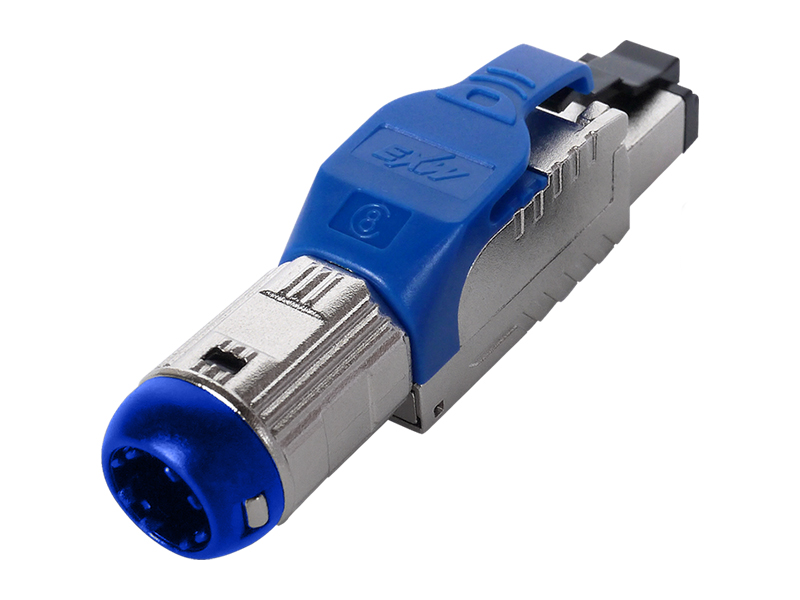
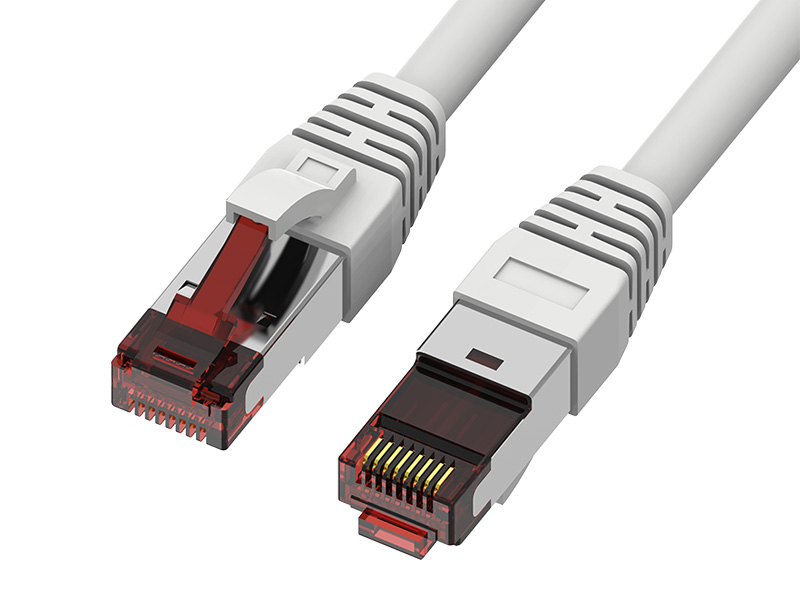
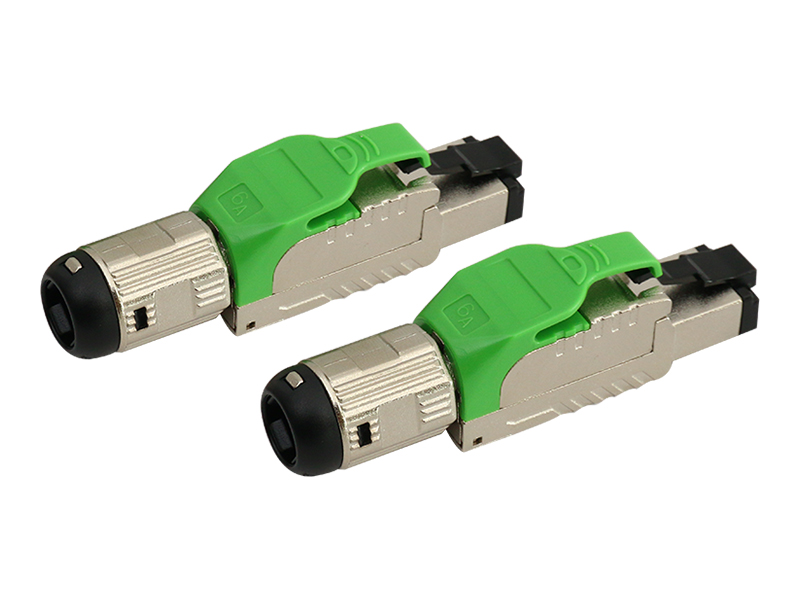
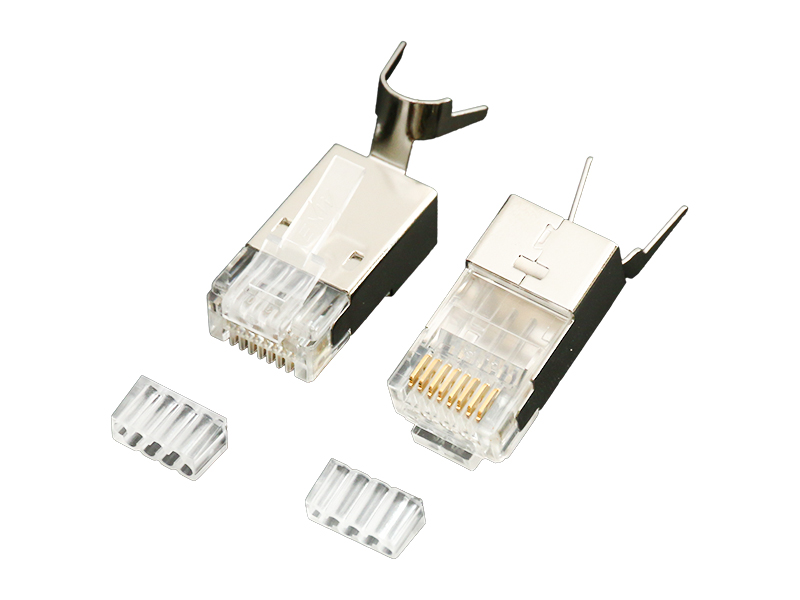
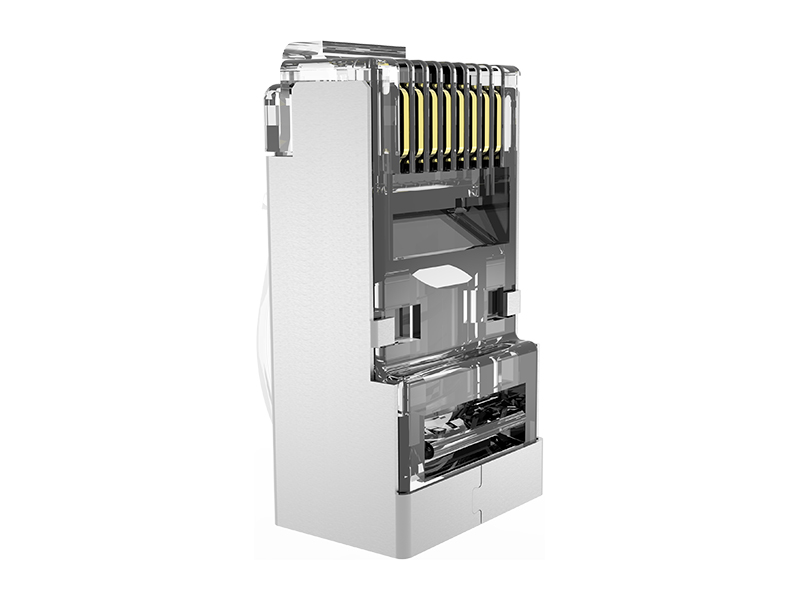
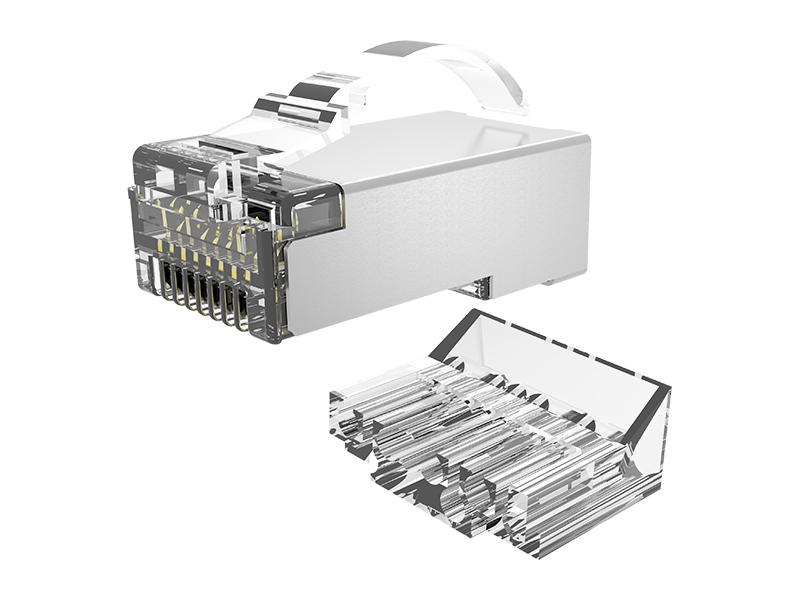
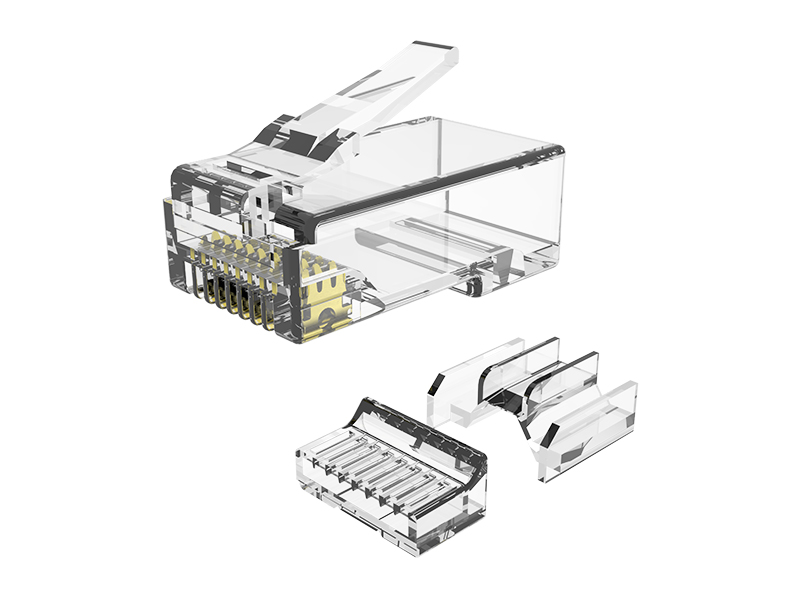
Ningbo Excellence Communicated Connector Co., Ltd., known as Ningbo EXW, manufactures RJ45 modular plugs, patch cords, and structured cabling components for OEM and ODM customers. Available Cat8 configurations include shielded RJ45 patch cords and cable assemblies in different lengths, colors, jacket materials, and connector combinations.
Examples from current production include a 10 ft Cat8 shielded patch cord using 26 AWG four-pair cable with a yellow RAL 1021 LSOH jacket, as well as Cat8 S/FTP 22 AWG four-pair solid cable with an LSOH jacket. Final specifications should be confirmed for each project because conductor construction, cable length, jacket rating, plug design, and customer printing may vary.
Ningbo EXW is a subsidiary and manufacturing facility of Excellence Wire Ind. Co., Ltd. in Taiwan. Its in-house capabilities include stamping, electroplating, plastic injection, automatic insertion, assembly, engineering, and mold tooling.
Frequently Asked Questions
Where is Cat8 cable most commonly used
Cat8 is mainly intended for short copper connections in data centers and equipment rooms, particularly links between nearby servers and switches.
Does Cat8 support 40Gbps
Category 8 cabling was developed to support 25GBASE-T and 40GBASE-T over a channel of up to 30 meters. The active equipment and the complete installed channel must also support the target speed.
Is Cat8 suitable for long building runs
Usually not for 25GBASE-T or 40GBASE-T. The Category 8 channel limit for those applications is 30 meters. Cat6A is generally more practical for 10GBASE-T building links up to 100 meters.
Does Cat8 use an RJ45 connector
TIA Category 8 and ISO/IEC Category 8.1 systems use an RJ45-style eight-position modular interface. ISO/IEC Category 8.2 uses other connector interfaces and is not RJ45-compatible.
Is Cat8 better than fiber
Neither medium is universally better. Cat8 provides short-reach high-speed copper connectivity, while fiber supports longer distances and different performance and infrastructure requirements.
Is Cat8 necessary for gaming
Usually not. A Cat8 cable cannot exceed the speed of the router, switch, network card, or internet service. Cat6 or Cat6A is sufficient for most home and gaming networks.
Conclusion
Cat8 cabling is best suited to short, shielded copper links where a project requires Category 8 performance and the channel stays within 30 meters. Its clearest role is in data centers, equipment rooms, and controlled test environments. For ordinary office and home networks, Cat6A or a lower category often meets the required speed with fewer installation constraints. The correct choice begins with the equipment interface, required data rate, channel length, and test standard, not the category label alone.
Technical Sources
IEEE 802.3bq-2016. Physical-layer specifications for 25GBASE-T and 40GBASE-T Ethernet.
ISO/IEC 11801-1:2017. General requirements for generic cabling, including Class I and Class II cabling.
TIA Category 8 standard announcement. Scope of shielded Category 8 cabling for data centers, equipment rooms, and other high-speed spaces.
Fluke Networks Category 8 Cabling Fact Sheet. Category 8 channel lengths, bandwidth, connectors, and field testing.
Ningbo EXW internal Fluke LinkWare test report dated 31 August 2026. ISO 11801 Channel Class I, 32 ft, PASS. Customer and equipment identifiers omitted from the article.