

 中文简体
中文简体 English
 Français
 Deutsch
 عربى
عربى
Content
- 1 1. Shielding Construction
- 2 2. Conductor Size
- 3 3. Conductor Material and Construction
- 4 4. Cable Length
- 5 5. Jacket Material and Operating Environment
- 6 6. Color and Identification
- 7 7. Connector and Boot Design
- 8 8. Wiring Scheme
- 9 9. PoE and Application Requirements
- 10 10. Fluke Test and Report Requirements
- 11 Additional Information That May Affect the Quotation
- 12 A Simple Cat6A Patch Cord RFQ Template
- 13 Conclusion
How to Specify a Cat6A Patch Cord: 10 Details to Include in Your RFQ
A request such as “Please quote a Cat6A patch cord” may appear complete, but it still leaves many important questions unanswered.
Cat6A patch cords can differ in shielding construction, conductor size, jacket material, length, connector design, PoE capability and testing requirements. Two products described as Cat6A may therefore have different structures, performance requirements and prices.
Providing a clear specification at the RFQ stage helps the manufacturer evaluate the application, select suitable materials and prepare a more accurate quotation.
Here are 10 details buyers should include when requesting a customized Cat6A patch cord.
1. Shielding Construction
The first step is to identify whether the application requires an unshielded or shielded Cat6A patch cable.
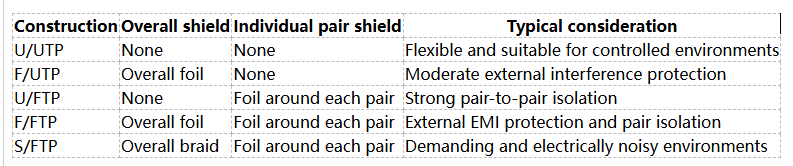
Common constructions include:
-
U/UTP: No overall shield and no individual pair shielding
-
F/UTP: Overall foil shield with unshielded pairs
-
U/FTP: No overall shield, with foil around each pair
-
F/FTP: Overall foil shield with foil around each pair
-
S/FTP: Overall braid with foil around each pair
Shielding affects cable diameter, flexibility, termination difficulty, EMI protection and cost.
For controlled office environments, an unshielded construction may be suitable. For industrial equipment, data centers or electrically noisy environments, a shielded Cat6A patch cord may be preferred.
When requesting a shielded product, also confirm that the complete cabling system—including connectors, jacks and grounding—is designed to maintain shield continuity.
2. Conductor Size
Cat6A patch cords are available in different conductor sizes. Ningbo EXW can manufacture common options from 26AWG to 30AWG, depending on the required construction and application.
Typical considerations include:
-
26AWG: Lower conductor resistance and suitable for applications where electrical performance and PoE capability are priorities
-
28AWG: A balance between performance, flexibility and cable management
-
30AWG: Slimmer and easier to route in high-density areas, subject to the project’s length and PoE requirements
A smaller AWG number indicates a larger conductor.
Do not select conductor size only according to cable appearance. Cable length, bundle size, PoE load, flexibility and the required test performance should also be considered.
3. Conductor Material and Construction
The RFQ should identify both the conductor material and conductor construction.
For example:
Stranded bare copper conductor
Stranded conductors are commonly used in patch cords because they provide greater flexibility than solid conductors.
Buyers should avoid descriptions such as “copper cable” alone, because this may not clearly distinguish bare copper from copper-clad conductor materials.
At Ningbo EXW, Cat6A patch cords are manufactured with bare copper conductors according to the agreed product specification.
4. Cable Length
State the required finished length and the accepted length tolerance.
Examples include:
-
0.5 m
-
1 m
-
2 m
-
3 m
-
5 m
-
10 m
-
15 m
-
Customized lengths
Also clarify how the length should be measured:
-
Connector tip to connector tip
-
Cable jacket length
-
Another customer-defined method
Cable length can affect insertion loss, resistance and the applicable test values. Therefore, different lengths should not automatically be evaluated using identical numerical expectations without considering the selected test limit.
If multiple lengths are required, list the quantity for each length separately.
5. Jacket Material and Operating Environment
The cable jacket should be selected according to the installation environment and applicable regulations.
Common options may include:
-
PVC
-
LSZH
-
Other customer-specified jacket compounds
The RFQ should also describe relevant environmental conditions, such as:
-
Indoor or outdoor installation
-
Operating temperature
-
Oil exposure
-
UV exposure
-
Flame-retardant requirements
-
Flexibility or bending requirements
-
Industrial electromagnetic interference
A standard Cat6A patch cord should not automatically be described as waterproof, drag-chain rated or suitable for extreme environments unless the selected product has been specifically designed and verified for those conditions.
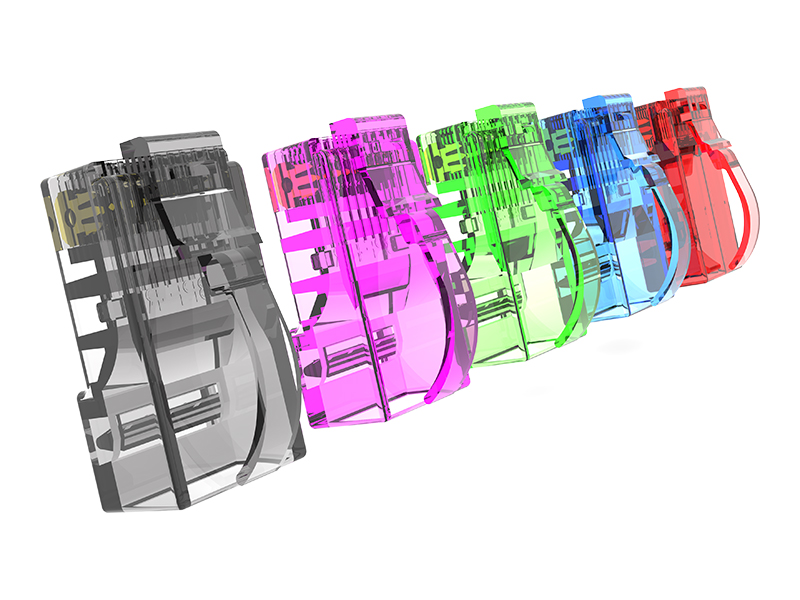
6. Color and Identification
Cable and boot colors can support network identification, equipment zoning and maintenance.
Include the following information when applicable:
-
Cable jacket color
-
Boot color
-
Connector color
-
Color ring or identification element
-
Label content
-
Serial number
-
Customer part number
-
Barcode or QR code
For customized products, buyers should provide a color reference such as a RAL or Pantone number when an exact color match is required.
A general description such as “blue” may not be sufficient when color consistency is important.
7. Connector and Boot Design
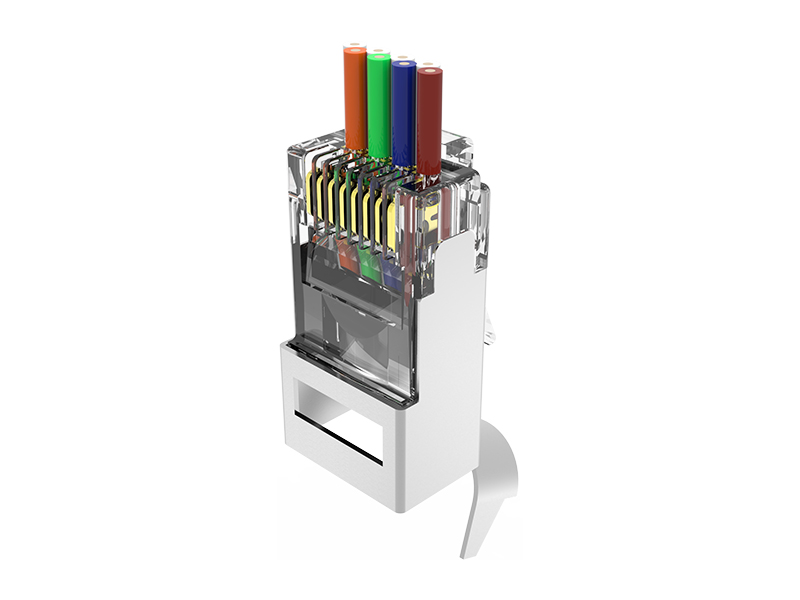
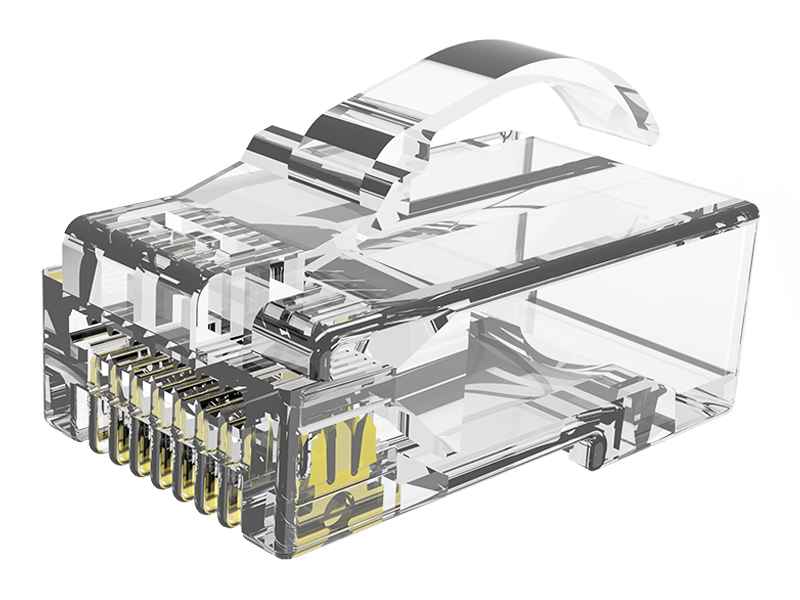
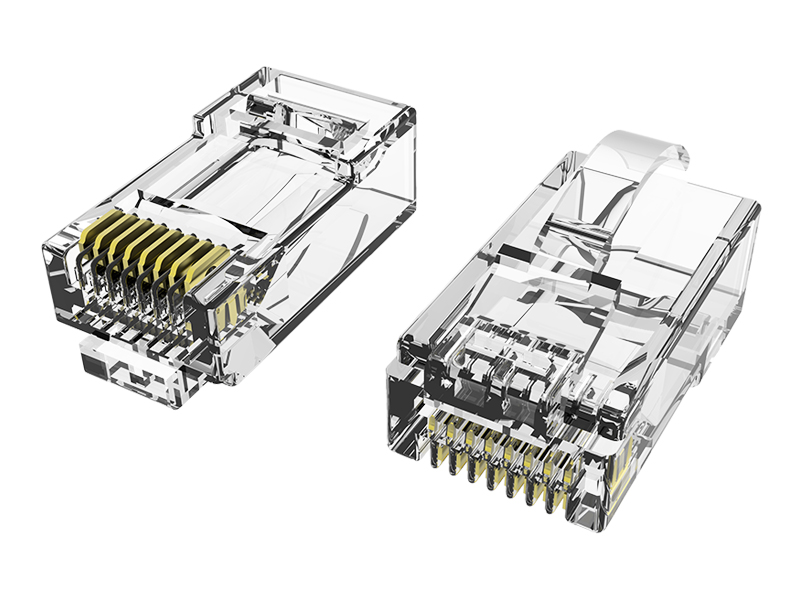
Not all RJ45 connectors and boots have the same structure.
The RFQ should confirm:
-
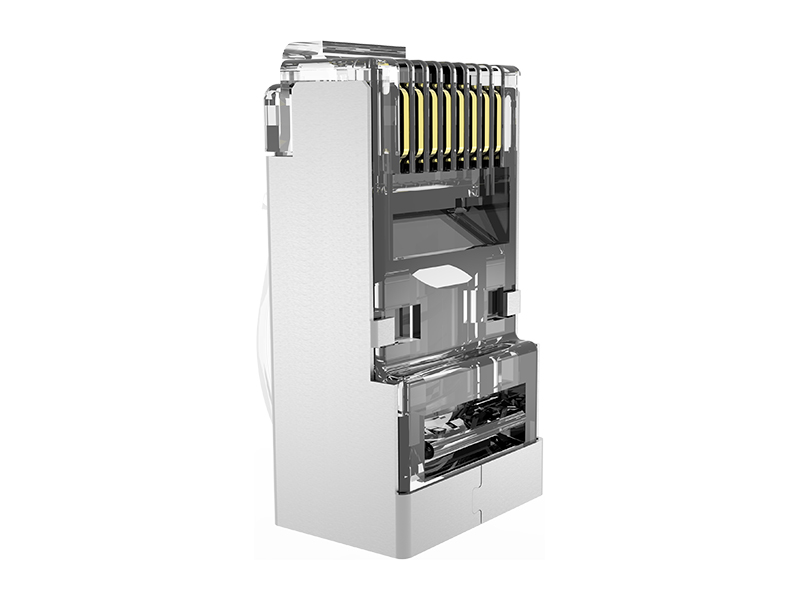
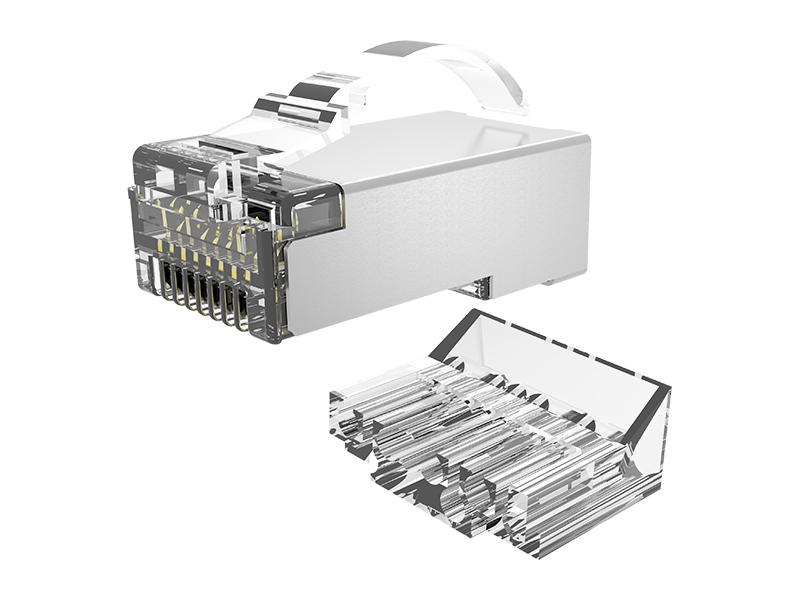
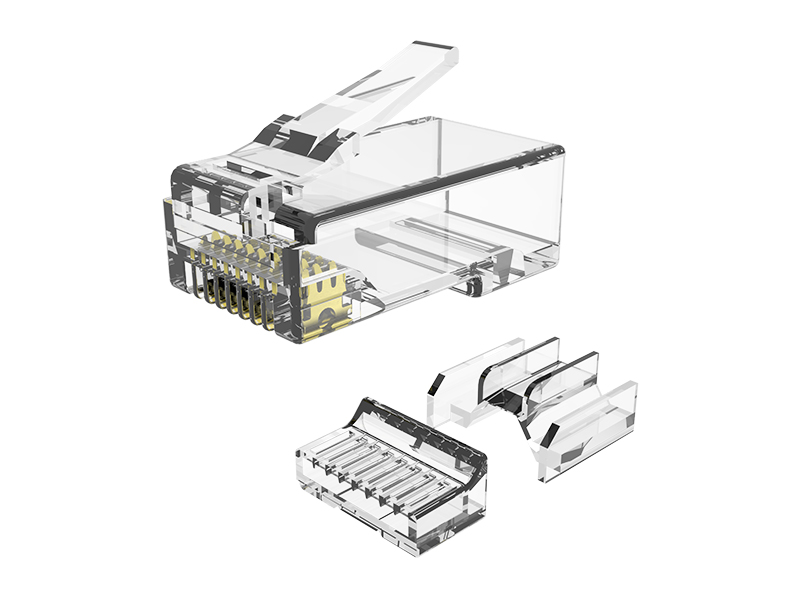
Shielded or unshielded RJ45 plug
-
Standard, slim, snagless or push-pull boot
-
Required plug orientation
-
Gold-plating requirement
-
Mating-cycle requirement
-
Latch protection
-
Required outer diameter compatibility
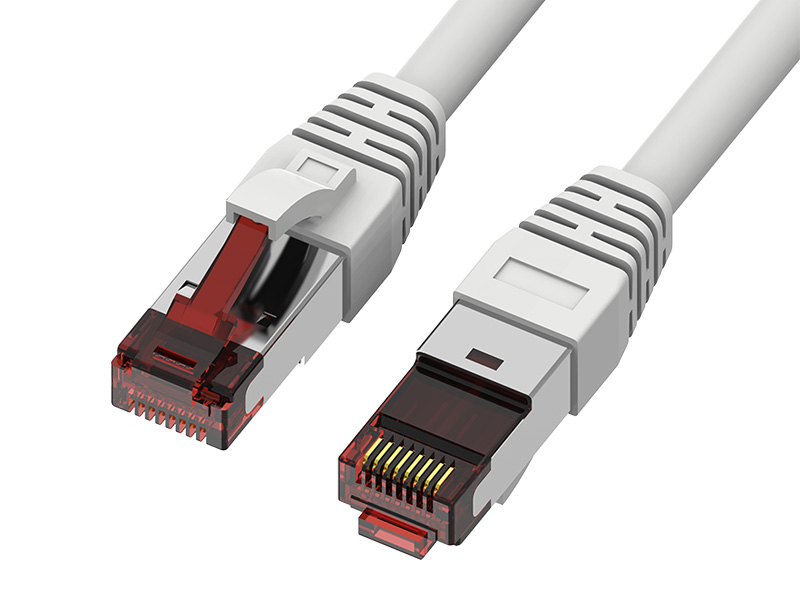
For shielded Cat6A patch cords, specify whether the connector must maintain 360-degree shield continuity between the cable shielding and the metal plug housing.
Connector and cable compatibility should be evaluated together. Conductor size, insulation diameter, cable outer diameter and shielding construction can all affect termination.
8. Wiring Scheme
Confirm the required wiring scheme:
-
T568A
-
T568B
-
Customer-specific pin assignment
Most standard Ethernet patch cords are wired straight through, but the required pin assignment should still appear on the drawing or purchase specification.
If both ends require different orientations, special wiring or a crossover configuration, provide a clear drawing rather than relying only on a written description.
9. PoE and Application Requirements
If the Cat6A patch cable will carry power, identify the required PoE standard and application.
For example:
Supports 4PPoE according to IEEE 802.3bt
The RFQ should also include, when known:
-
Connected device type
-
Required power level
-
Number of cables in a bundle
-
Installation temperature
-
Cable length
-
Conductor size
-
Applicable project or customer standard
PoE performance is influenced by conductor resistance, connection quality, cable bundling and temperature. A thinner patch cord may improve cable management, but it should still be evaluated for the intended power and installation conditions.
10. Fluke Test and Report Requirements
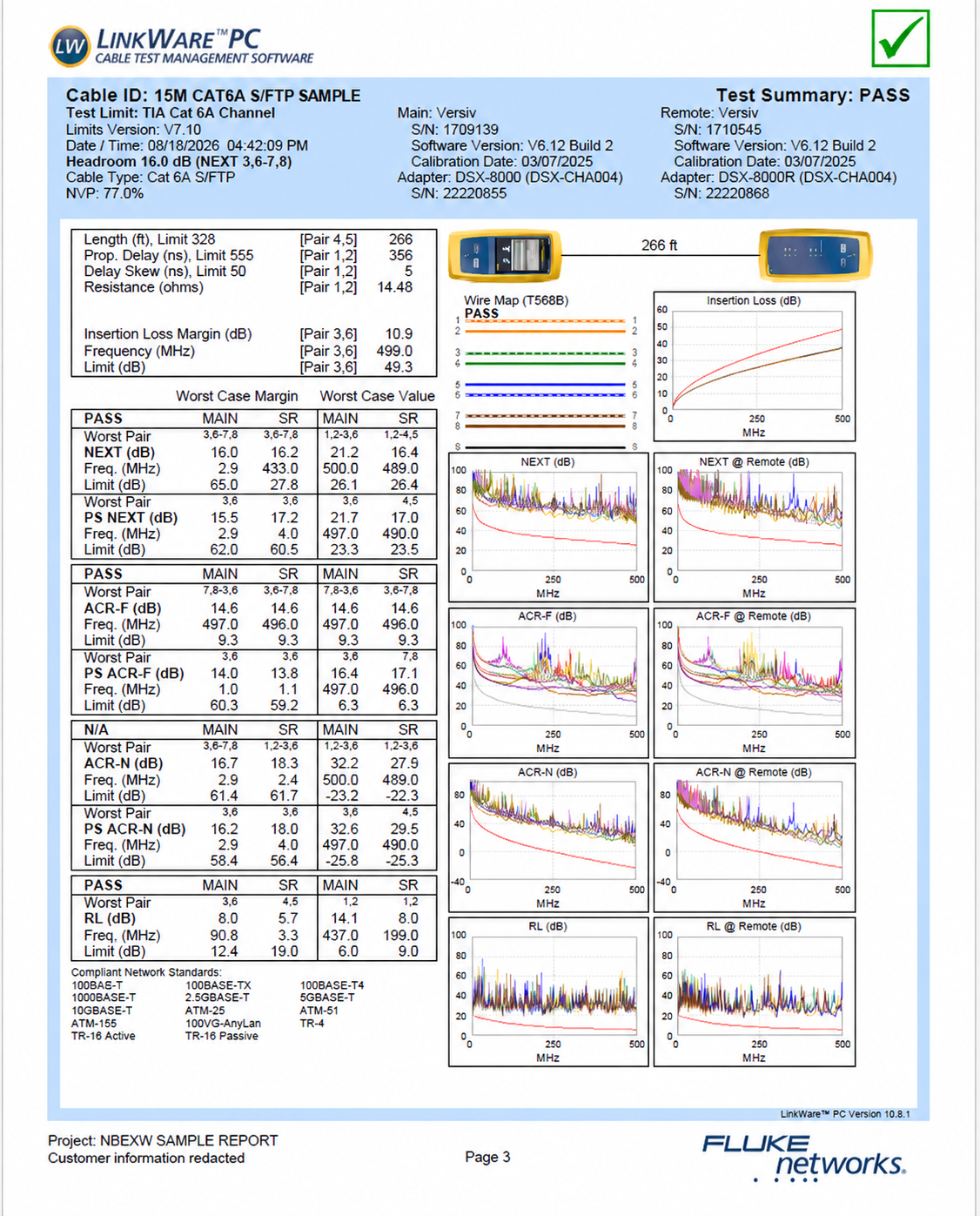
“Fluke tested” is not a complete test specification.
Buyers should state which test configuration is required, such as:
-
Channel test
-
Permanent Link test
-
Patch Cord test
-
Component test
-
MPTL test
Also confirm:
-
TIA or ISO test limit
-
Cable category
-
Required adapter
-
Required minimum margin or headroom
-
Whether every cable requires a report
-
Report filename and Cable ID format
-
PDF or electronic report format
-
Whether reports must be provided before shipment
A standard PASS result and a customer-specified margin requirement are not necessarily the same.
For example, if the customer requires a specific minimum margin, this requirement should identify the relevant test parameter and test limit. More demanding requirements may increase production control, testing time, rework and cost.
At Ningbo EXW, test requirements are confirmed before production. A complete set of agreed test reports can be provided by our sales team before shipment upon request.
Additional Information That May Affect the Quotation
In addition to the 10 points above, buyers may need to specify:
-
Required certifications
-
Product drawing
-
Packaging method
-
Individual or bulk packaging
-
Label and carton markings
-
Inspection requirements
-
Sample approval procedure
-
Order quantity by specification
-
Delivery schedule
-
Required documentation
Providing these details early helps reduce repeated confirmation and prevents differences between the expected product and the final delivery.
A Simple Cat6A Patch Cord RFQ Template
Buyers can copy and complete the following template:
Product: Cat6A Patch Cord
Shielding: U/UTP / F/UTP / U/FTP / F/FTP / S/FTP
Conductor Size: ___ AWG
Conductor: Stranded bare copper
Length: ___ m
Length Tolerance: ___
Jacket: PVC / LSZH / Other
Cable Color: ___
Connector: Shielded / Unshielded RJ45
Boot Design: ___
Wiring: T568A / T568B / Customized
PoE Requirement: ___
Test Requirement: Channel / Component / Other
Test Limit: TIA / ISO / Customer-specified
Required Margin: ___
Test Report: Required / Not required
Label: ___
Packaging: ___
Quantity: ___
Required Delivery Date: ___
Application: ___
Conclusion
A complete Cat6A patch cord RFQ is not limited to category and length.
Shielding, conductor size, jacket material, connector design, PoE application and Fluke testing requirements can all affect product construction and price.
The clearer the specification, the easier it is for the manufacturer to recommend an appropriate solution and prepare an accurate quotation.
Ningbo EXW manufactures customized Cat6A patch cords in multiple shielding constructions, conductor sizes, colors and lengths. Send us your drawing,
application information or completed RFQ template for evaluation.
Need help confirming your Cat6A patch cord specification?
Contact the Ningbo EXW sales team with your application requirements, and we will help review the available options before quotation.