


 中文简体
中文简体 English
 Français
 Deutsch
 عربى
عربىCat8 Patch Cable Buying Guide: 7 Specifications to Check Before Ordering
Home / News / Industry News / Cat8 Patch Cable Buying Guide: 7 Specifications to Check Before Ordering

Cat8 Cable Buying Guide: 7 Specifications to Check Before Ordering
Cat8 patch cable is often introduced with two impressive numbers: 40Gbps and 2000MHz. However, these figures alone do not tell you whether a Cat8 patch cord is suitable for your network—or whether the product you receive will perform as specified.
For data centers, equipment rooms and other high-speed copper links, buyers must look beyond the category printed on the jacket. Cable construction, channel length, shielding, connectors and test documentation all affect the final performance.
Before placing an order, check the following seven specifications.
Content
A genuine Cat8 cabling solution is designed for transmission frequencies up to 2000MHz and can support 25GBASE-T and 40GBASE-T applications within the specified channel length.
Bandwidth and data rate are related, but they are not the same:
When comparing quotations, do not accept “Cat8” or “40G” as the only performance description. Ask the supplier to confirm:
A product carrying a Cat8 label without corresponding electrical test data should be treated with caution.
Buyer’s check: Request a specification sheet and a Cat8 test report showing performance up to 2000MHz.
Cat8 is not a 100-meter solution for 25GBASE-T or 40GBASE-T. For these applications, the maximum channel length is 30 meters, normally including up to 24 meters of permanent link cable plus patch cords and connection points.
This makes Cat8 particularly suitable for short, high-speed links such as:
Before ordering, calculate the entire channel—not only the length of one patch cord. Every cable segment and connection in the link must be included.
If your 25G or 40G copper route exceeds 30 meters, simply ordering a longer Cat8 cable will not solve the problem. The network architecture or transmission medium must be reconsidered.
Buyer's check: Confirm the total installed channel length and the number of connections before deciding cable lengths.
Cat8 operates at much higher frequencies than Cat6A and requires a shielded construction to control electromagnetic interference, alien crosstalk and signal loss.
Common Cat8 patch cord constructions include individually foil-shielded pairs together with an overall braid or foil shield. However, abbreviations alone are not enough. Two cables described with similar shielding terminology may still differ in shield coverage, drain-wire design, connector termination and assembly quality.
The shield must remain continuous through the complete channel. That means the cable, modular plugs, jacks, patch panels and grounding system must work together. Using a shielded patch cord with unshielded connecting hardware removes much of the intended benefit.
For procurement, ask the supplier to explain:
Buyer's check: Review the whole shielded channel, not just the cable jacket marking.
Wire gauge influences insertion loss, flexibility, outside diameter, heat rise and connector compatibility. Cat8 patch cords commonly use relatively large conductors to maintain electrical performance at high frequencies. Ningbo EXW’s Cat8 patch cord uses 22 AWG conductors.
A larger conductor can help reduce resistance and support stable transmission, but it also creates a thicker and less flexible cable. This matters in high-density cabinets where routing space and bend control are limited.
Check the following details before ordering:
Do not select a cable only by gauge. The right construction must balance transmission performance, flexibility, fire requirements and cabinet density.
Buyer's check: Match the conductor gauge, jacket and cable diameter to both the electrical requirement and the physical installation space.
Cat8.1 uses the familiar shielded 8P8C modular interface, often referred to as RJ45. This allows it to connect with widely used Ethernet ports and supports backward compatibility with lower-category Ethernet equipment, although the link will operate at the performance of its lowest-rated component.
The connector must still be designed for Cat8 performance. Key details include:
Thin or poorly controlled gold plating may reduce long-term contact reliability, particularly in humid, dusty or frequently reconnected environments. Ningbo EXW offers Cat8 patch cords with 50 micro-inch gold-plated contacts and mating durability of up to 1,200 cycles.
For customized assemblies, also confirm that the connector is compatible with the cable’s conductor size, insulation diameter and overall cable diameter. A Cat8 cable and a Cat8 plug do not automatically form a compliant assembly if their dimensions and termination design do not match.
Buyer's check: Ask for connector drawings, gold-plating specifications and mating-cycle data—not only a close-up product photo.
Cat8 cabling may also carry power to connected devices. If the application uses Power over Ethernet, confirm support for the required PoE level, especially 4PPoE, which energizes all four pairs.
PoE performance depends on more than data transmission. Conductor resistance, resistance unbalance, contact quality, cable bundling and ambient temperature all influence heat rise and power delivery.
Before ordering for a PoE application, confirm:
For dense cable bundles, lower conductor resistance and proper installation planning are especially important. Avoid treating “PoE supported” as a complete specification; the supplier should be able to explain how the assembly has been evaluated.
Buyer's check: Include the PoE level, bundle conditions and operating temperature in the RFQ.
The final check is also the most important: verify the evidence behind the claims.
Cat8 purchasing documents should clearly identify the applicable standards and test scope. Depending on the market and project, buyers may need to check standards or requirements such as ANSI/TIA-568.2-D, ISO/IEC 11801-1, IEC 60603-7, IEEE 802.3 applications, safety approvals, environmental compliance and 4PPoE performance.
It is also important to distinguish between different types of evidence:
For Cat8 testing to 2000MHz, suitable Cat8-capable test equipment is required. For example, the Fluke Networks DSX-8000 platform supports Cat8/Class I and Class II certification testing to 2000MHz. A DSX-5000 report is not equivalent for Cat8 certification because that tester does not cover the full Cat8 frequency range.
Ask the supplier whether the report is a sample report or belongs to the actual production batch. For project traceability, original test data is more useful than a simple “PASS” screenshot.
Ningbo EXW's Cat8 solutions are supported by GHMT certification and Cat8-capable performance testing. Original test reports can be provided according to project requirements.
Buyer's check: Verify the product identity, test limit, frequency range, cable length, date and result shown in the report.
Use the following table when preparing your RFQ:
| Item | Information to Confirm |
|---|---|
| Application | 10GBASE-T, 25GBASE-T or 40GBASE-T; data center or equipment-room use |
| Standard | Required Cat8/Class I standard and market-specific compliance |
| Length | Individual patch cord length and complete channel length |
| Construction | Shielding structure, 22 AWG or other conductor gauge, stranded/solid, bare copper |
| Jacket | PVC or LSZH, color, outside diameter, temperature rating |
| Connector | Shielded 8P8C/RJ45, contact plating, boot and strain-relief requirements |
| PoE | Required PoE type, including 4PPoE where applicable |
| Testing | Cat8 test limit to 2000MHz, sample or batch report, original report format |
| Certification | GHMT or other third-party certification required by the project |
| Customization | Length, color, labeling, packaging and private-label requirements |
Before approving an order, ask these five questions:
Clear answers make it much easier to compare suppliers on actual performance instead of price and category labels alone.
A reliable Cat8 patch cord is not defined by one number. The product must combine the correct transmission performance, channel design, shielding, conductor construction, connector quality, PoE capability and test evidence.
For buyers, the safest approach is simple: define the application first, then compare suppliers using the same technical checklist. This reduces specification gaps, avoids unsuitable products and makes the final network easier to install and verify.
Ningbo Excellence Communicated Connector CO., LTD. supplies Cat8 patch cords and Cat8 connectivity solutions for high-speed copper networks. Available features include 22 AWG construction, 2000MHz performance, support for 25G/40GBASE-T and 4PPoE, 50 micro-inch gold-plated contacts, up to 1,200 mating cycles, GHMT certification and project-specific test documentation.
Need help defining your Cat8 specification? Contact Ningbo EXW with your required length, application, jacket, connector and test-report requirements. Our team can help you prepare a clear and practical quotation.
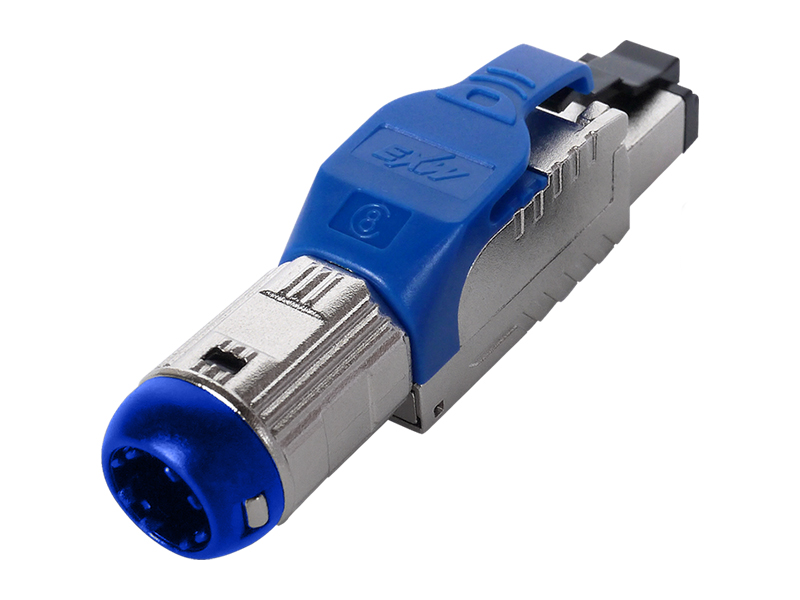
Cat.8 Field Termination Plug | GHMT Certified RJ45 Connector for 40G Ethernet Cabling
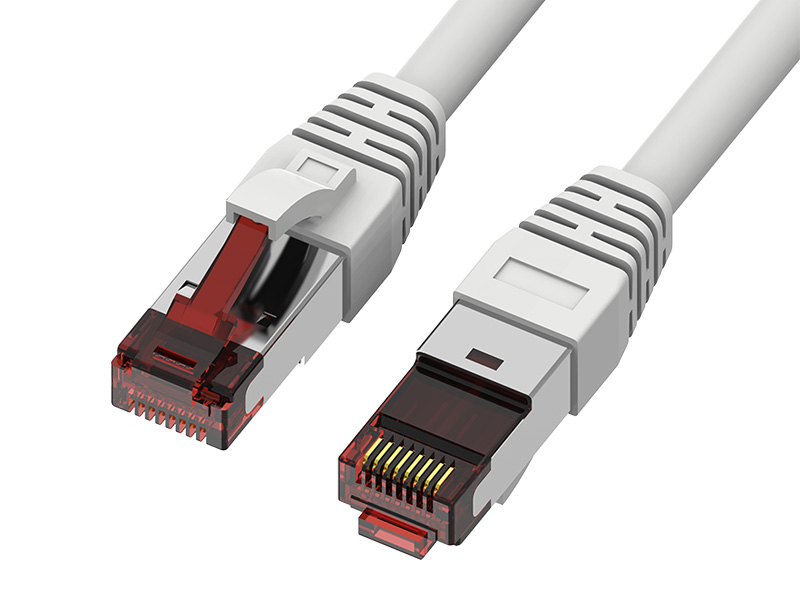
Cat.6A S/FTP Patch Cord | Fluke Tested 10G Shielded RJ45 Ethernet Cable
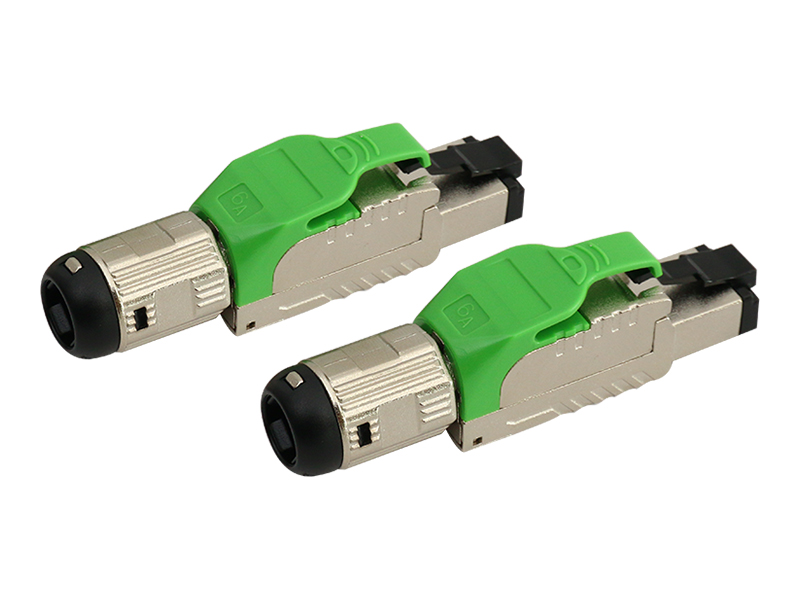
Cat.6A Field Termination Plug | Shielded RJ45 Connector for 10G Ethernet & 4PPoE Cabling
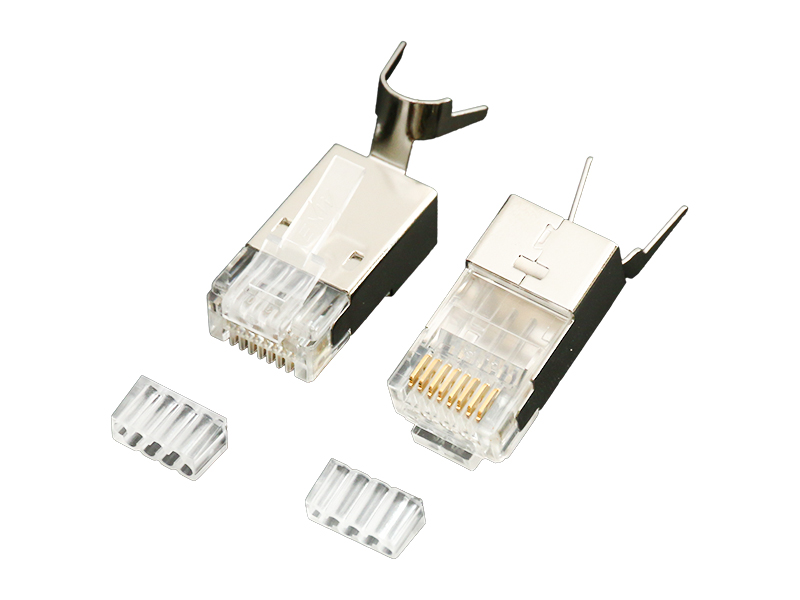
Fat OD Modular Plug | RJ45 Connector for Large Diameter Ethernet Cable Applications
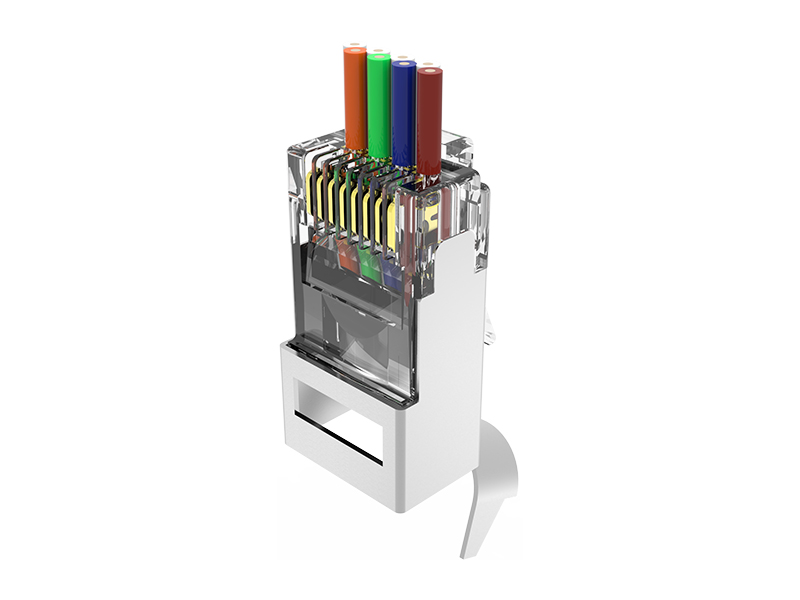
Fat OD Pass-Through Plug | RJ45 Connector for Large Diameter Ethernet Cable Applications
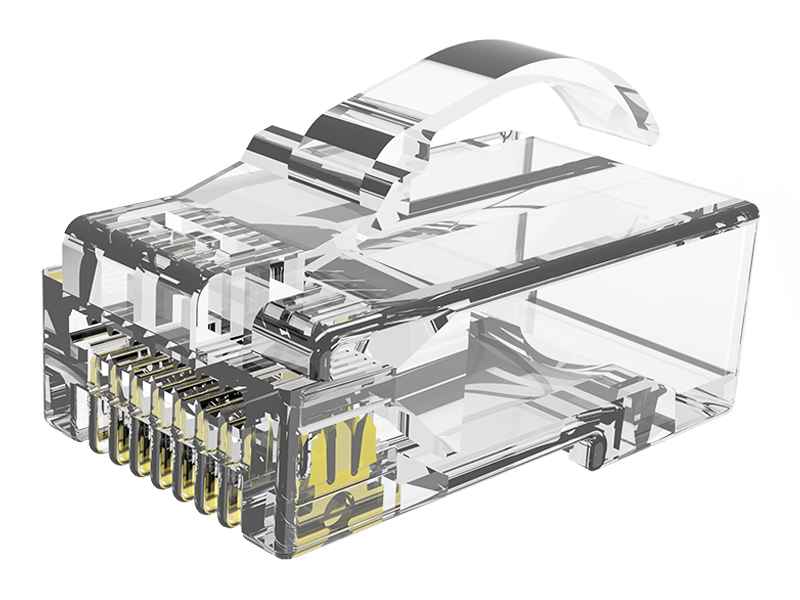
Cat.5E UTP Arch Latch Modular Plug | RJ45 8P8C Connector for Ethernet Cabling
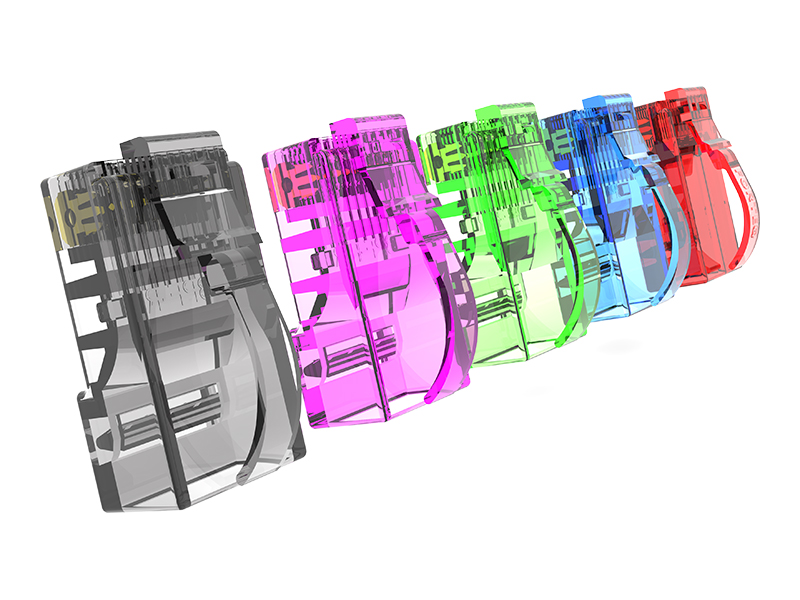
Cat.5E STP Arch Latch Modular Plug | Shielded RJ45 8P8C Connector for Ethernet Cabling
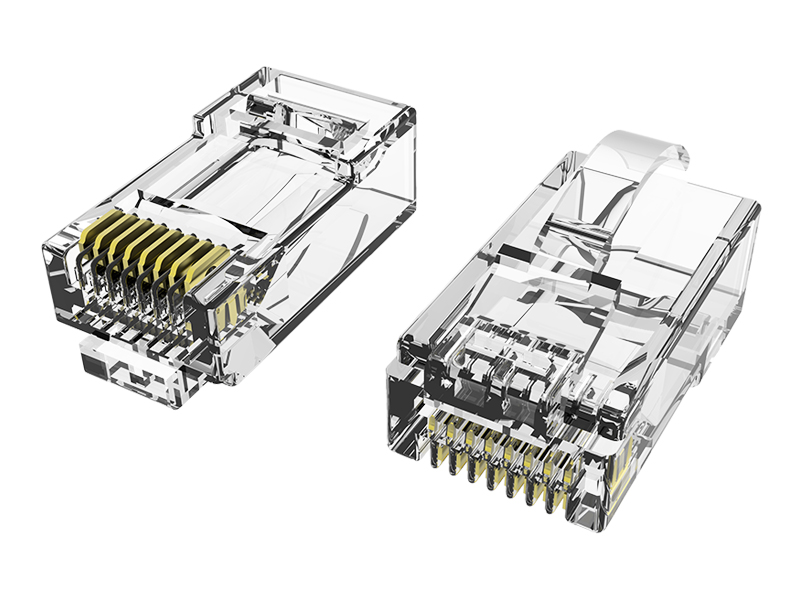
Cat.6 UTP Arch Latch Modular Plug | RJ45 8P8C Connector for Ethernet Cabling
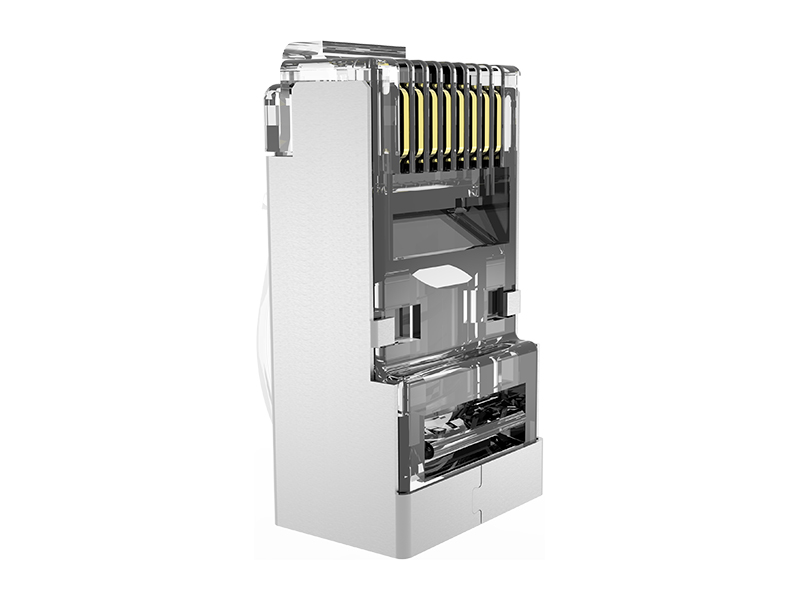
Cat.6 STP Arch Latch Modular Plug | Shielded RJ45 8P8C Connector for Ethernet Cabling
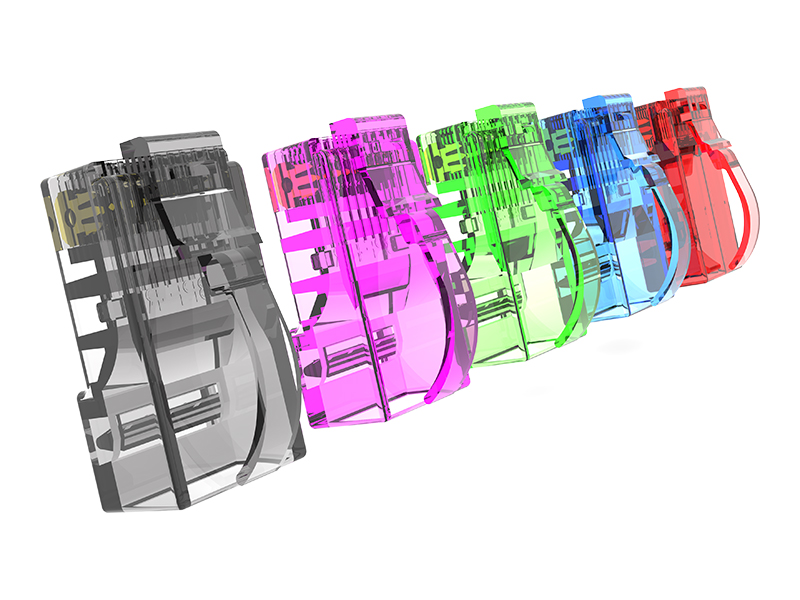
Cat.6A UTP Arch Latch Modular Plug | RJ45 8P8C Connector for 10G Ethernet Cabling
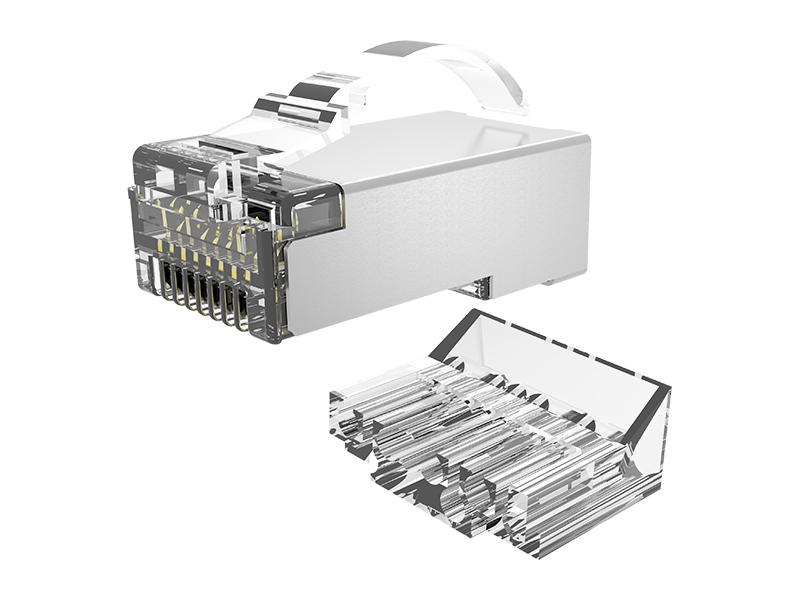
Cat.6A STP Arch Latch Connector | Shielded RJ45 8P8C Connector for 10G Ethernet Cabling
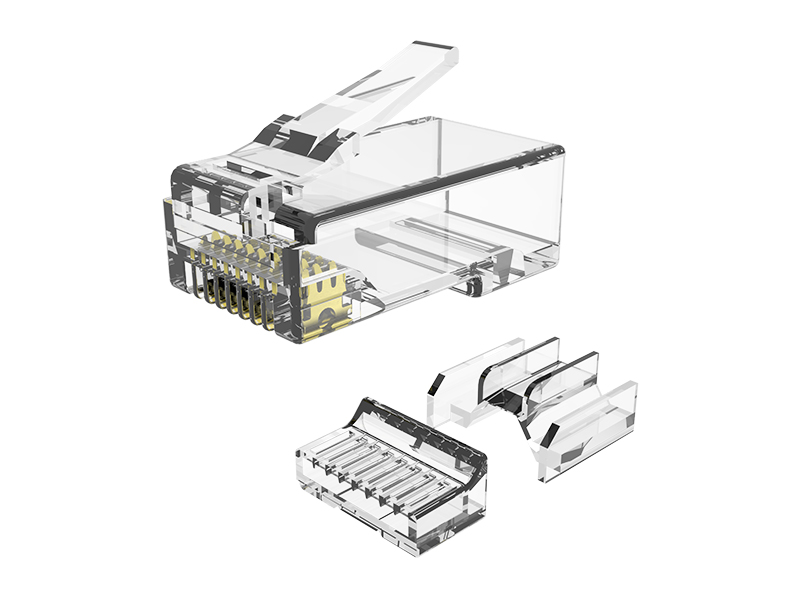
Cat.6A UTP 3R Modular Plug | RJ45 8P8C Connector for 10G Ethernet Cabling

 No. 651, Hengshanxi Road, Beilun, Ningbo, Zhejiang Province, China
 sales@nbexw.com
 +86-574-86868738
 +86 138 5828 0875