

 中文简体
中文简体 English
 Français
 Deutsch
 عربى
عربى
Content
- 1 1. Reliable Performance Starts with the Cable
- 2 2. Connector Quality Matters
- 3 3. Accurate Termination Protects Signal Integrity
- 4 4. Mechanical Protection Extends Service Life
- 5 5. Modern Networks Need Both Data and Power
- 6 6. Continuity Testing Is Not Enough
- 7 7. Consistency Is the Real Measure of Reliability
- 8 Reliability Is Built into Every Detail
What Makes a Reliable Patch Cord?
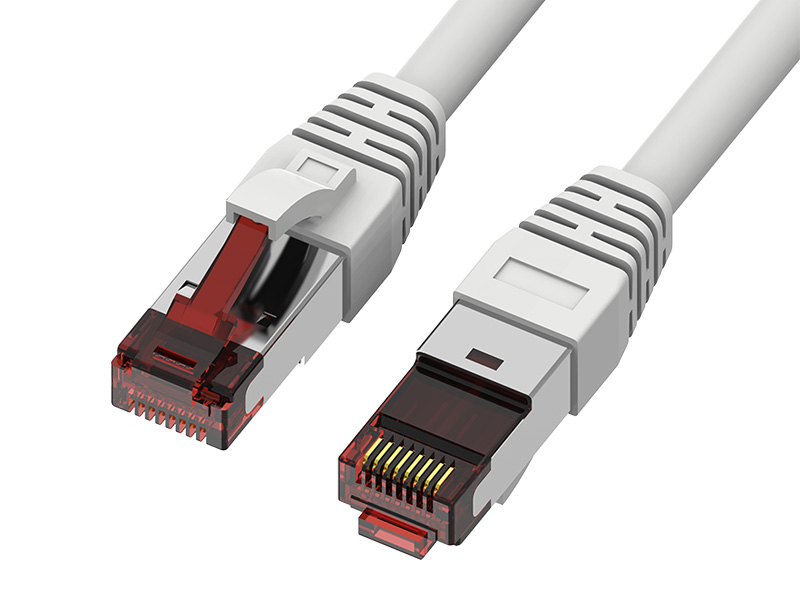
Patch cords may look simple, but their performance depends on much more than whether the two ends are connected.
A reliable patch cord must maintain stable data transmission, withstand repeated handling and support the demands of modern networks over time. From conductor quality and connector construction to termination accuracy and final testing, every detail can affect performance.
So, what should buyers consider when evaluating a patch cord?
1. Reliable Performance Starts with the Cable
The cable is the foundation of every patch cord.
Conductor material, wire gauge, twisting accuracy and jacket quality can all influence transmission performance. If conductor resistance is too high or the twisted pairs are disturbed during production, the cable may experience greater signal loss, interference or unstable performance.
A properly manufactured cable should deliver consistent electrical performance across the required frequency range—not simply pass a basic continuity test.
2. Connector Quality Matters
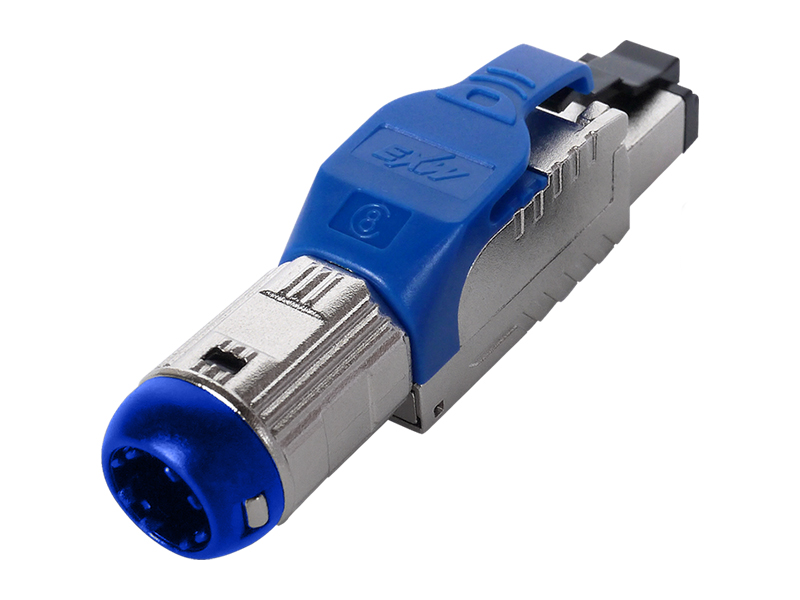
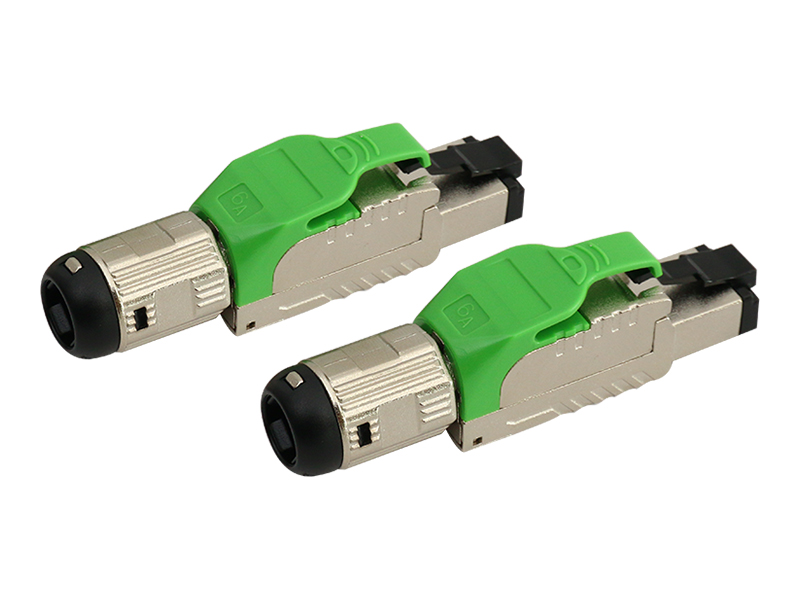
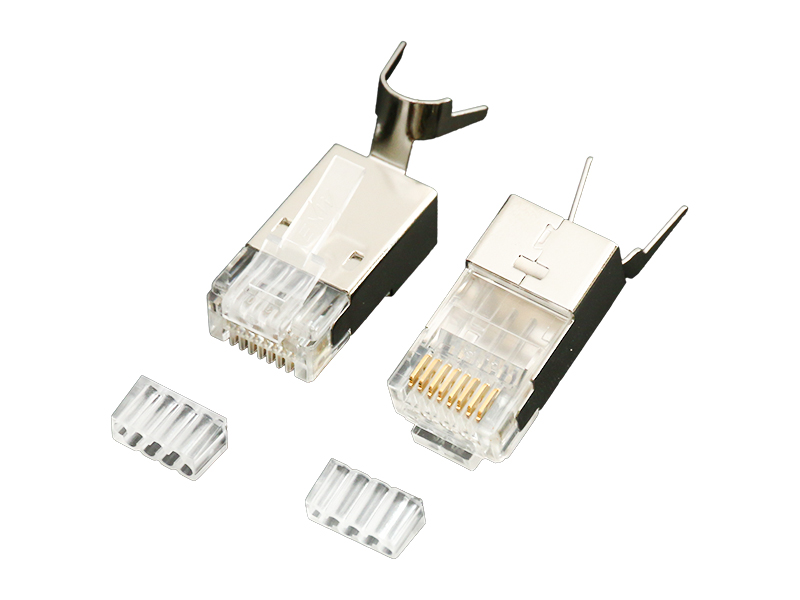
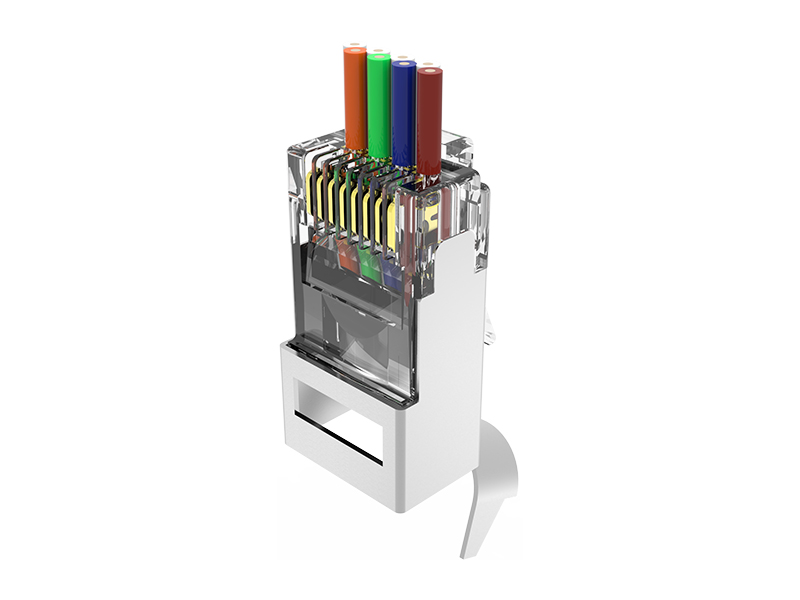
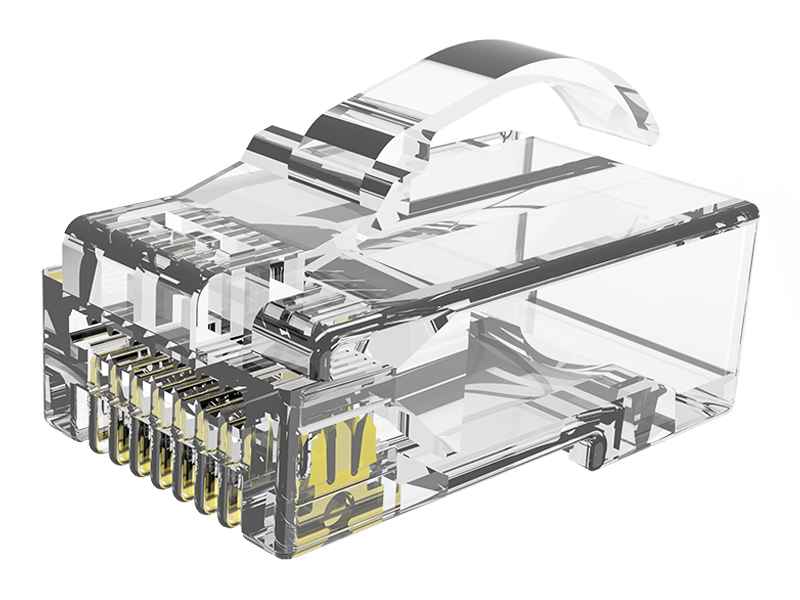
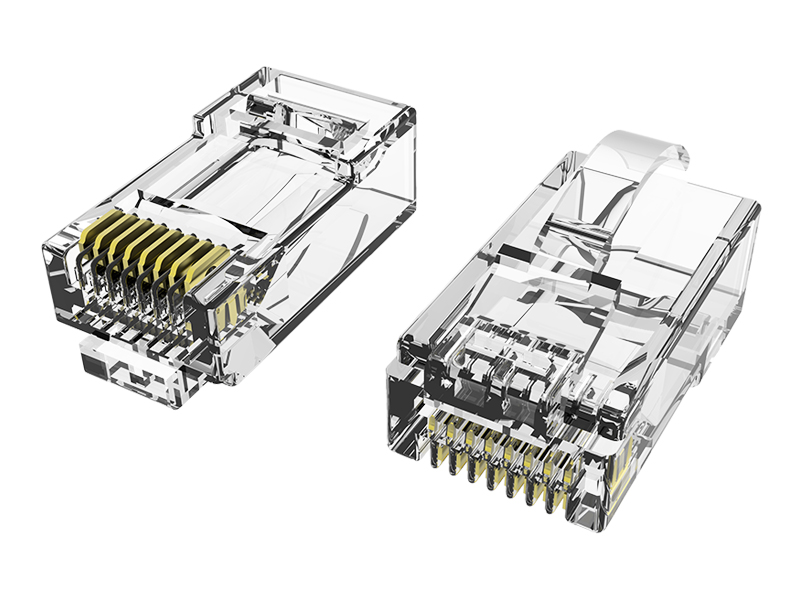
The RJ45 connector is one of the most critical parts of a patch cord.
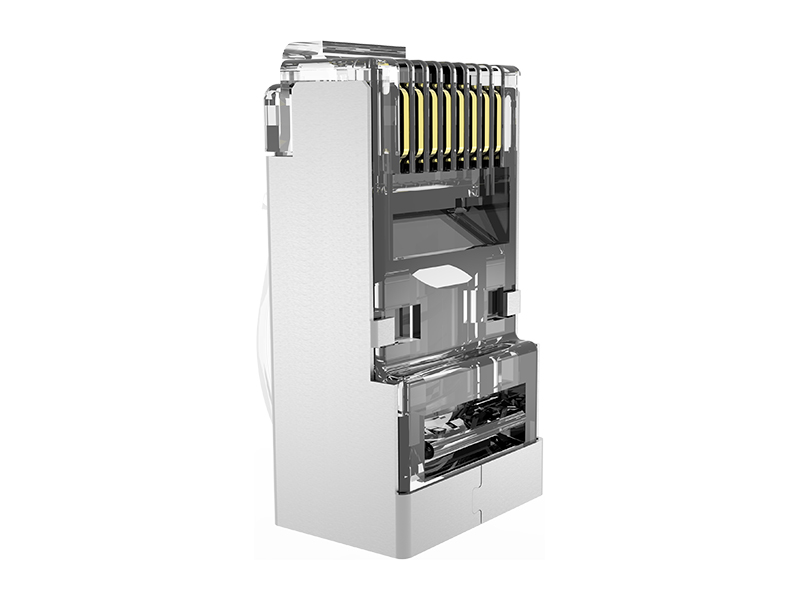
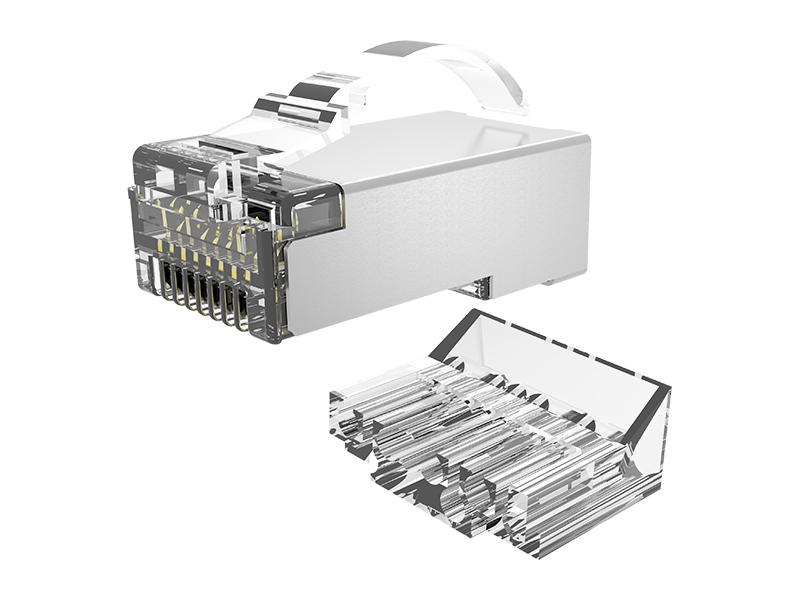
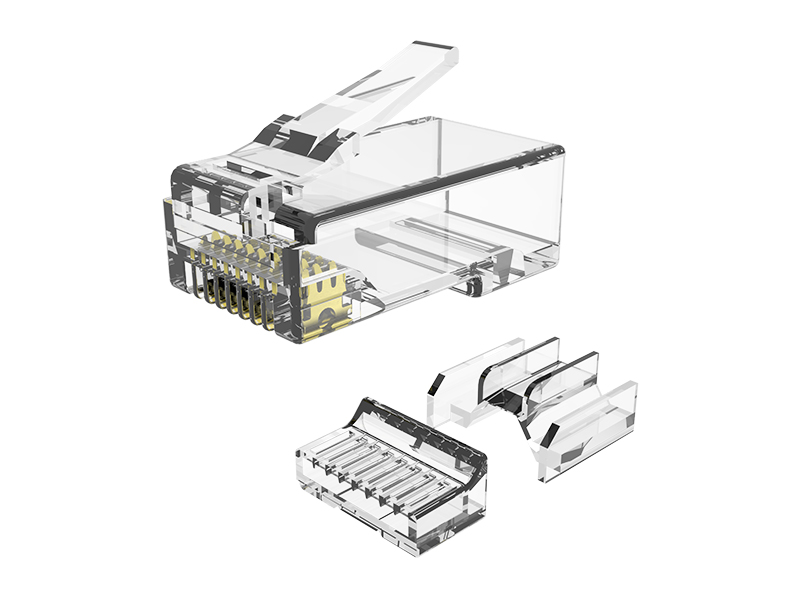
Contact design, plating quality, housing precision and the compatibility between the plug and cable all influence connection stability. Poorly manufactured contacts may lead to inconsistent electrical performance, increased contact resistance or reduced durability after repeated plugging and unplugging.
Ningbo EXW patch cords can be produced with 50 micro-inch gold-plated contacts, helping provide stable conductivity and resistance to corrosion for long-term use.
3. Accurate Termination Protects Signal Integrity
Even good cable and connectors can perform poorly if the termination process is not properly controlled.
During assembly, the twisted pairs must be arranged and terminated accurately. Excessive untwisting, uneven conductor positioning or unstable crimping may affect return loss, crosstalk and overall transmission performance.
Consistent tooling, controlled production processes and experienced operators are therefore essential for maintaining product quality from one batch to the next.
4. Mechanical Protection Extends Service Life
Patch cords are frequently bent, pulled, plugged and unplugged during installation and maintenance.
A properly designed molded boot and strain-relief structure help protect the termination area from excessive bending and pulling. The cable jacket should also offer an appropriate balance between flexibility and mechanical protection.
For high-density cabinets or frequently maintained network environments, the connector and boot design can also influence how easily the patch cord can be installed, removed and managed.
5. Modern Networks Need Both Data and Power
Many network devices now receive data and power through the same Ethernet connection.
Wireless access points, IP cameras, VoIP phones and other PoE devices place additional demands on patch cords. Conductor resistance, connection stability and heat management become especially important when higher power is transmitted.
Patch cords intended for PoE applications should therefore be designed and verified for both data transmission and power delivery. Ningbo EXW patch cords can support 4PPoE applications in accordance with IEEE 802.3bt requirements, depending on the selected product specification.
6. Continuity Testing Is Not Enough
A continuity test can confirm whether conductors are connected, but it does not fully verify high-speed transmission performance.
A patch cord may pass a simple wire-map test and still experience problems with insertion loss, return loss or crosstalk. Professional performance testing is therefore an important part of quality assurance.
At Ningbo EXW, patch cords can be 100% tested with professional Fluke equipment according to the selected category and product requirements. This helps verify that each finished cable meets the required transmission performance before shipment.
7. Consistency Is the Real Measure of Reliability
A good sample is not enough. For OEM customers, distributors and large projects, every production batch must deliver consistent performance.
Reliable patch cord manufacturing requires control throughout the entire process—from raw materials and connector production to assembly, testing, labeling and packaging.
With integrated capabilities in stamping, plating, injection molding, cable assembly and testing, Ningbo EXW maintains greater control over the components and processes that influence finished-product quality.
Reliability Is Built into Every Detail
A reliable patch cord is not defined by one feature alone.
It is the result of carefully selected materials, precise connector construction, controlled termination, mechanical protection and verified transmission performance. These details may not always be visible from the outside, but they determine how the patch cord performs throughout its service life.
At Ningbo EXW, we focus on the details behind every connection—helping customers build network solutions with stable performance and consistent quality.
Looking for patch cords customized for your network or OEM project? Contact us to discuss your requirements.