

 中文简体
中文简体 English
 Français
 Deutsch
 عربى
عربى
Content
Shielded vs. Unshielded RJ45 Connectors: Which Should You Choose?
When choosing an RJ45 connector, the metal shell is often the most visible difference between shielded and unshielded designs. However, the right choice depends on more than appearance.
The connector should match the cable construction, the installation environment, and the requirements of the complete cabling system. A shielded plug alone does not turn an unshielded cable into a shielded connection.
This guide focuses on RJ45 modular plugs used to terminate Ethernet cables.
What Is the Difference?
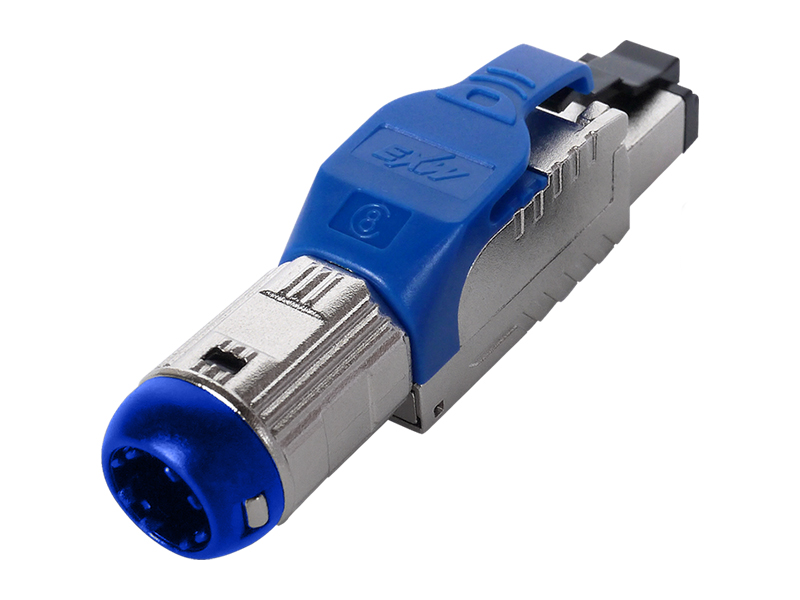
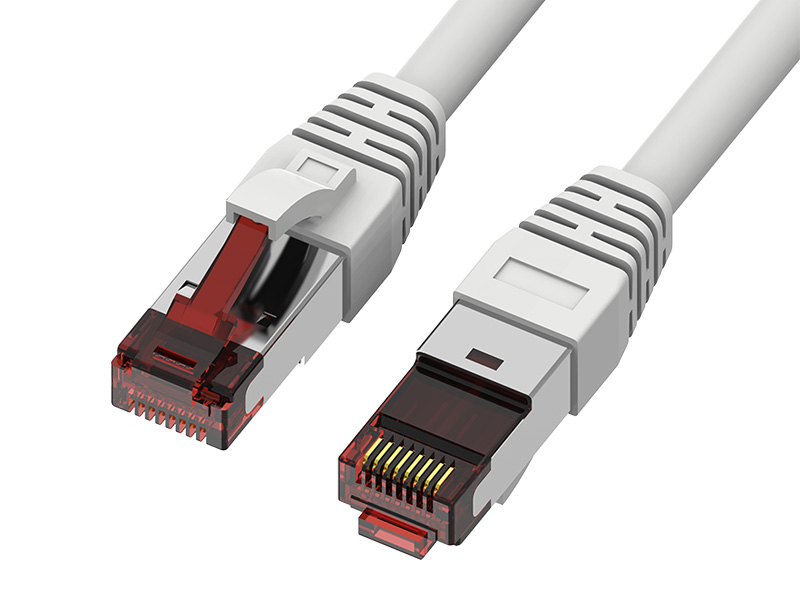
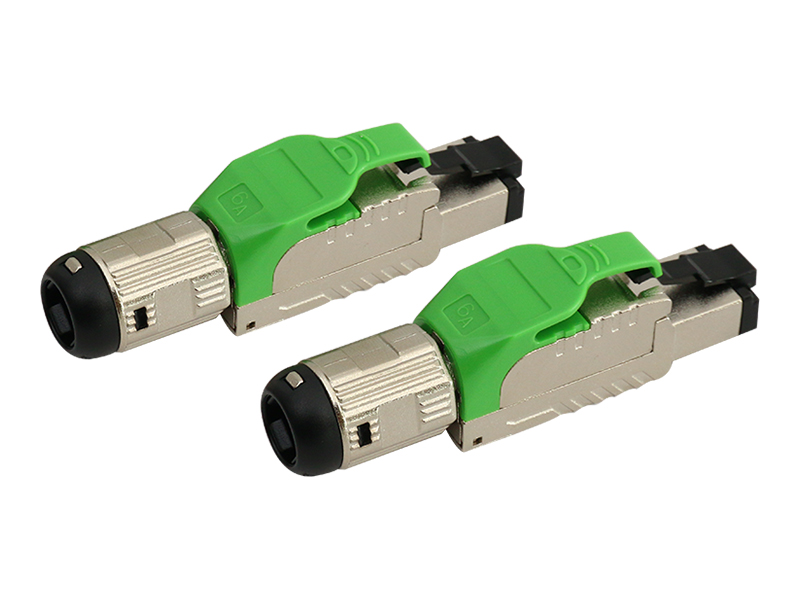
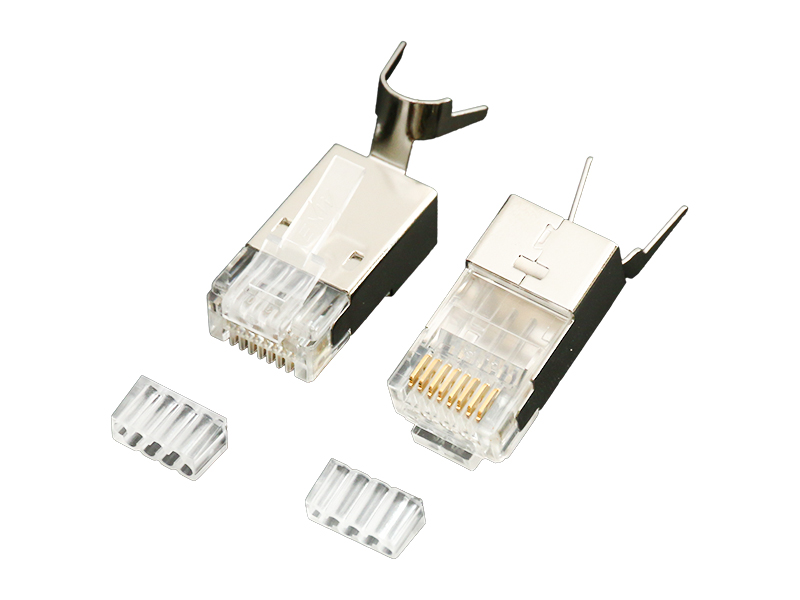
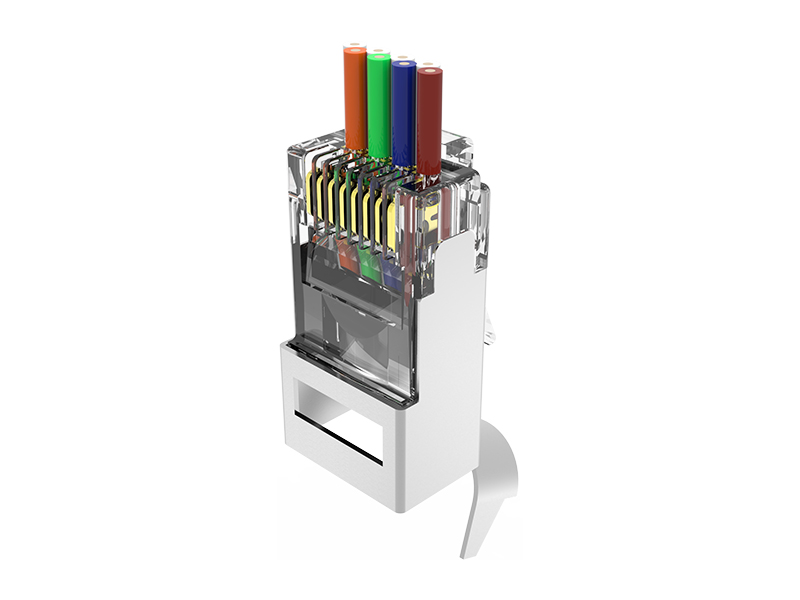
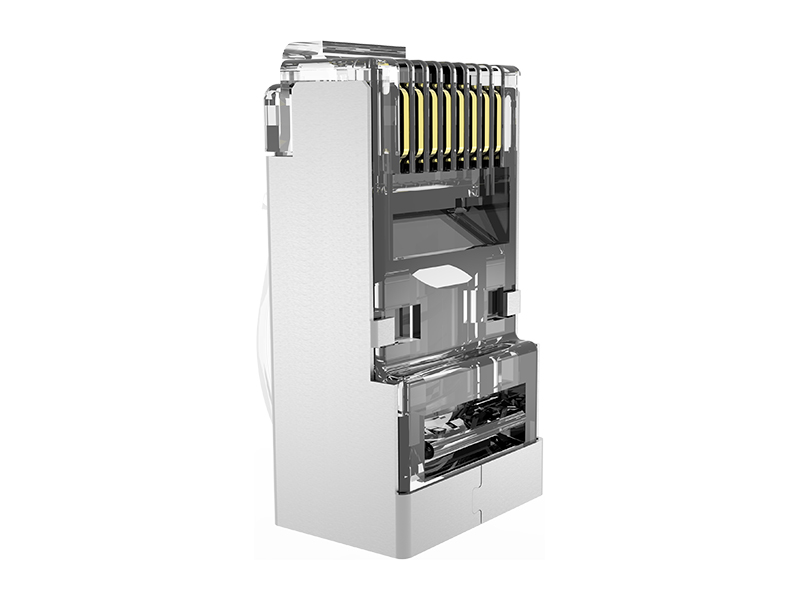
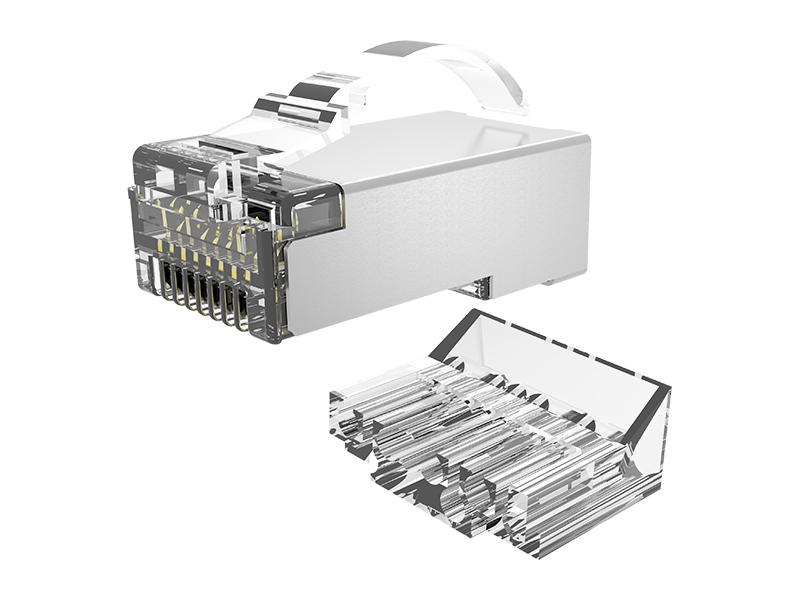
A shielded RJ45 connector includes a conductive metal shell designed to connect the cable shield to compatible shielded mating hardware. When correctly terminated, it helps maintain shielding through the connection.
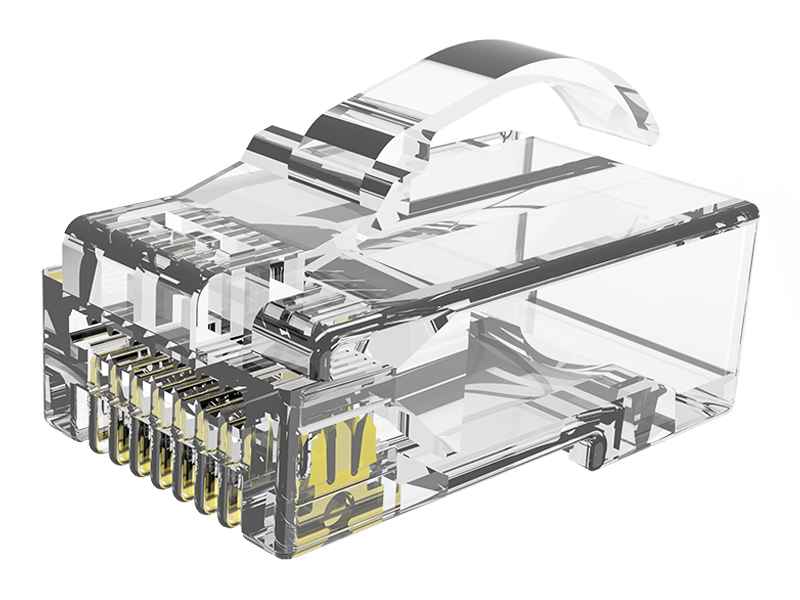
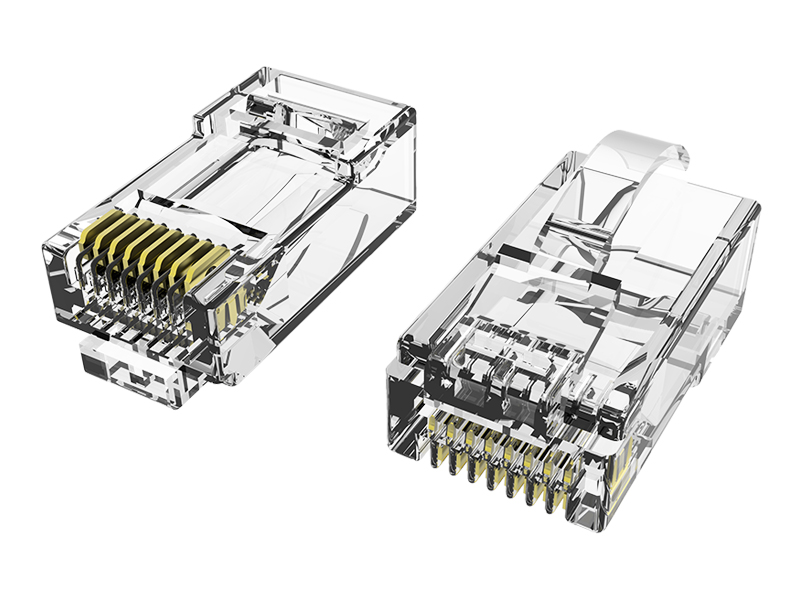
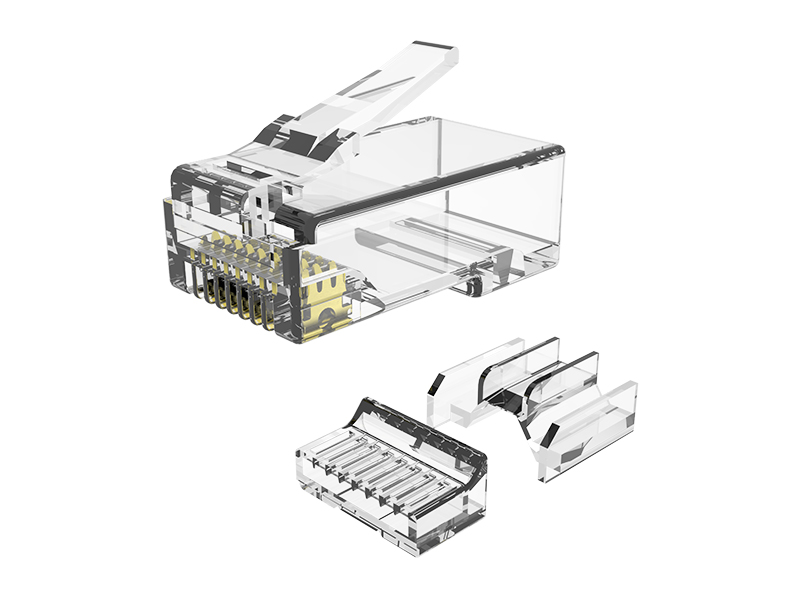
An unshielded RJ45 connector has no conductive shielding shell and is normally used with unshielded twisted-pair cable.
Both types use the familiar RJ45 interface. Shielding describes how the connection manages interference; it does not, by itself, determine the connector’s performance category.
| Selection factor | Shielded RJ45 connector | Unshielded RJ45 connector |
|---|---|---|
| Shielding structure | Conductive metal shell | No conductive shielding shell |
| Typical cable match | Shielded twisted-pair cable | U/UTP cable |
| Termination requirements | Conductor termination and shield connection | Conductor termination |
| System considerations | Shield continuity, bonding and grounding | Cable balance and installation quality |
| Selection priority | Compatibility with the complete shielded system | Compatibility with the unshielded cable and required category |
When Should You Choose Shielded RJ45 Connectors?
When the cable has shielding
If the cable uses foil, braid, or a combination of both, choose a compatible shielded RJ45 connector to maintain the intended shield connection.
Common shielded cable constructions include F/UTP, U/FTP, and S/FTP. Their shielding arrangements differ, so the connector’s termination design must be suitable for the cable being used.
Shielded cable terminated with an unshielded plug may still establish a network connection, but the plug does not provide the intended shield connection through that interface.
When the installation requires additional interference control
Shielded cabling may be appropriate around motors, variable-frequency drives, welding equipment, or other sources of electromagnetic interference.
The choice should follow the equipment manufacturer's recommendations and the project’s cabling design. Cable routing, cable balance, and bonding arrangements also matter; shielding is one part of the solution.
When the specified cabling system requires shielding
For Cat.8.1 cabling using RJ45 interfaces, compatible shielded connectors are required. Category 8 cabling relies on shielding, and correct shield termination is important to its performance.
A metal shell alone does not make a plug Cat.8 compliant. The connector must also meet the relevant transmission requirements.
When Should You Choose Unshielded RJ45 Connectors?
Unshielded RJ45 connectors are a practical choice when the project uses U/UTP cable and does not specify a shielded system.
Typical applications include office networks, residential installations, and other environments where a properly designed unshielded cabling system meets the required performance.
Unshielded does not automatically mean lower speed. Cat.5e, Cat.6, and Cat.6A connectivity is available in both shielded and unshielded forms. The required category and installed performance should guide selection.
For an unshielded installation, a metal-shell plug does not add shielding along the cable. Choose the plug for its verified performance and cable compatibility rather than its appearance.
Shield Continuity Matters
In a shielded system, the cable shield must connect correctly to the connector’s shielding structure. Compatible jacks, patch panels, and patch cords help maintain the intended shielding path.
Follow the connector manufacturer's termination instructions and the project’s bonding and grounding design.
Testing should also verify the shield path where required. A basic continuity test can sometimes detect an alternative electrical path through grounded equipment rather than the cable shield itself. Suitable shield-integrity testing helps identify this problem.
Check Cable Compatibility Before Ordering
After deciding between shielded and unshielded designs, confirm that the plug fits the actual cable.
Check these specifications:
-
Cable outer diameter: The jacket must fit the cable entry and strain-relief structure.
-
Insulated conductor diameter: Each insulated conductor must fit the wire guide or conductor channel.
-
Conductor size and construction: Confirm the supported AWG range and compatibility with solid or stranded conductors.
-
Performance category: Select a plug appropriate for the intended cabling system.
-
Termination method: Confirm the required tools and assembly procedure.
AWG alone is insufficient. Two cables with the same conductor gauge can have different insulation diameters and jacket dimensions. Connector specifications therefore need to be checked against the actual cable.
For OEM patch-cord production, evaluating the plug with the intended cable before volume production helps confirm assembly fit and performance. Installed performance depends on the cable, connectors, and termination quality together.
Which Should You Choose?
Choose unshielded RJ45 connectors when they match the U/UTP cable and the project’s performance requirements.
Choose shielded RJ45 connectors when the project uses shielded cabling and requires the shielding path to continue through the connection.
In both cases, verify the cable dimensions, conductor compatibility, category rating, and termination requirements before ordering.
RJ45 Connector Selection with Ningbo EXW
Ningbo EXW manufactures RJ45 modular plugs and Ethernet patch cords for OEM/ODM customers.
For connector selection, share your cable construction, outer diameter, insulated conductor diameter, conductor gauge, and whether the conductors are solid or stranded. These details help identify suitable options for sample evaluation.
Contact Ningbo EXW to discuss your RJ45 connector and cable assembly requirements.