

 中文简体
中文简体 English
 Français
 Deutsch
 عربى
عربى
Content
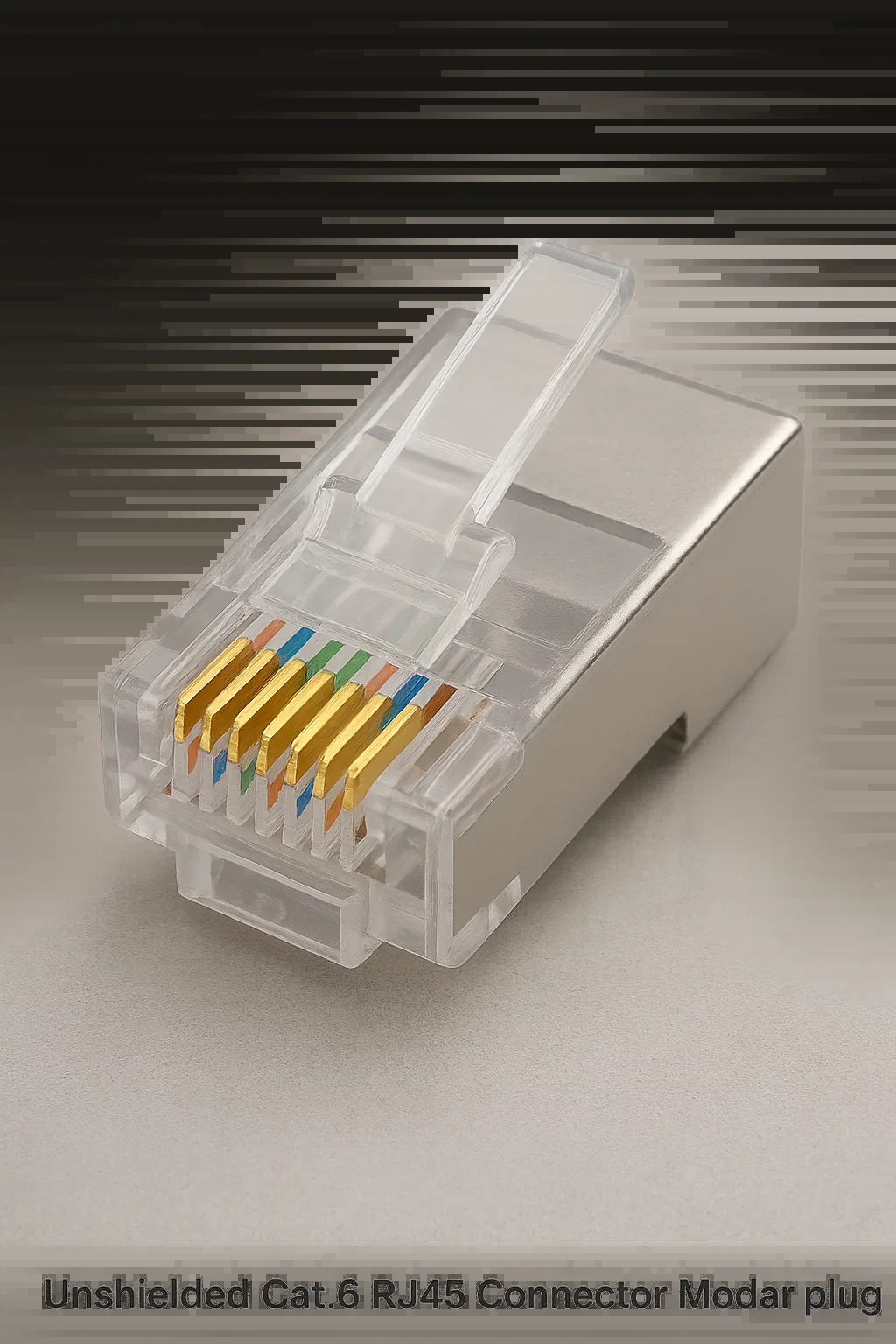
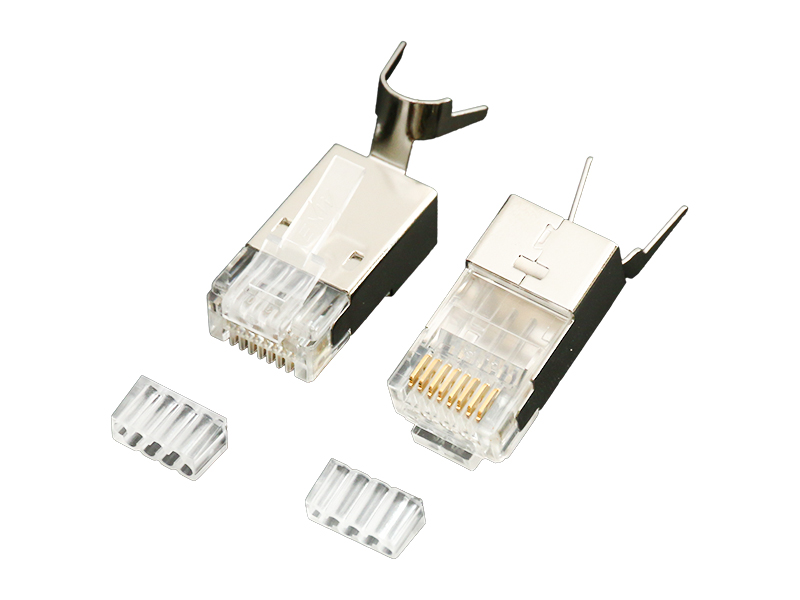
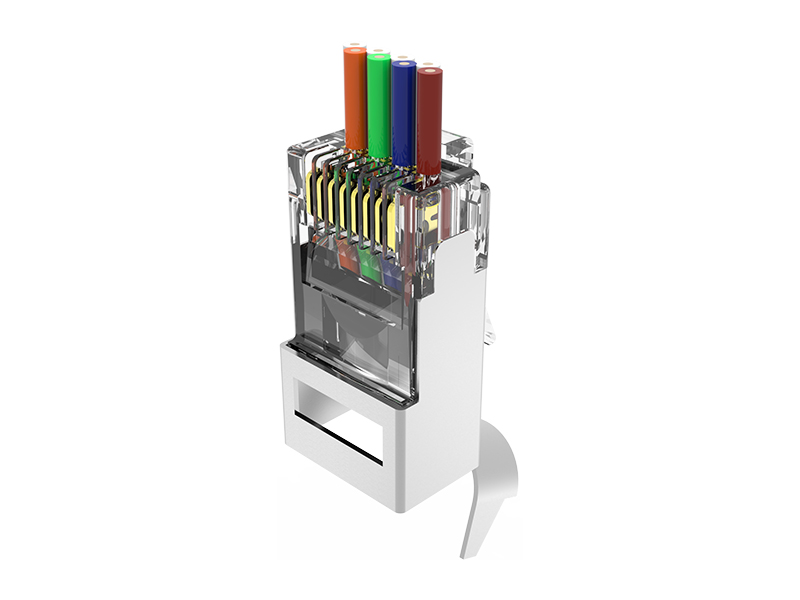
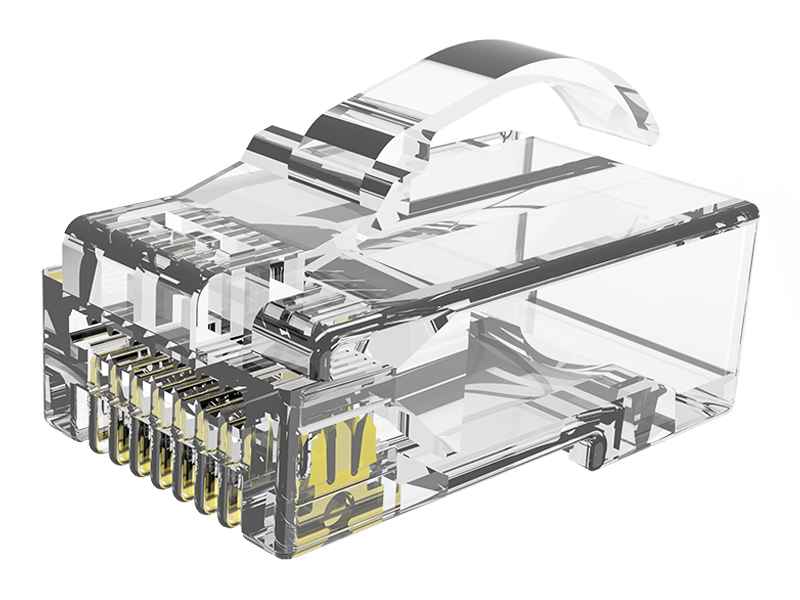
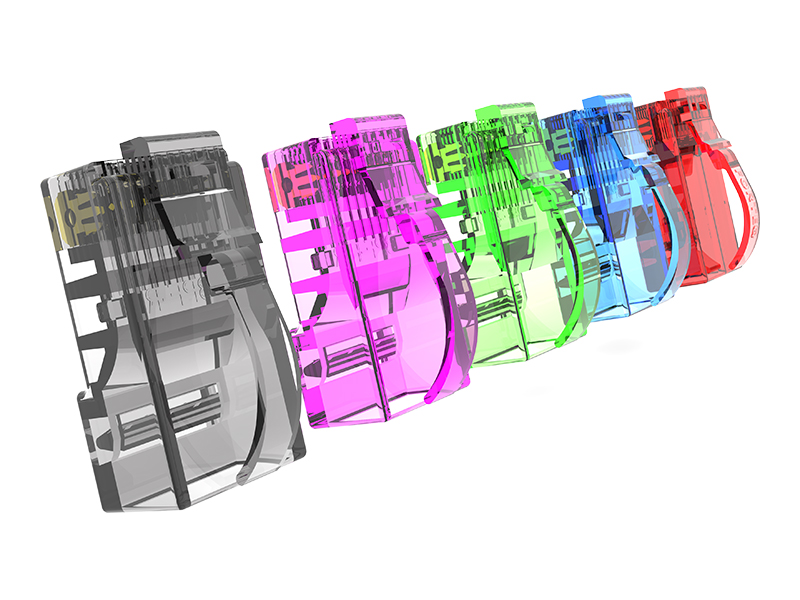
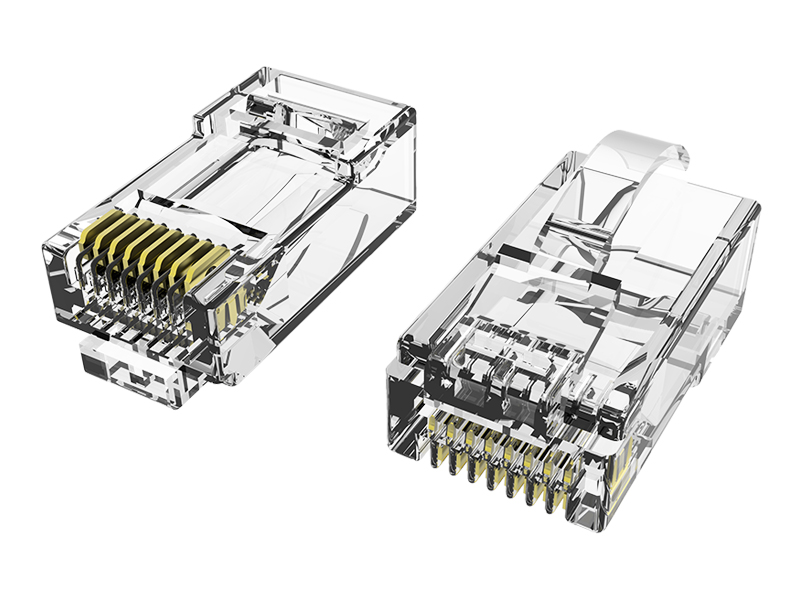
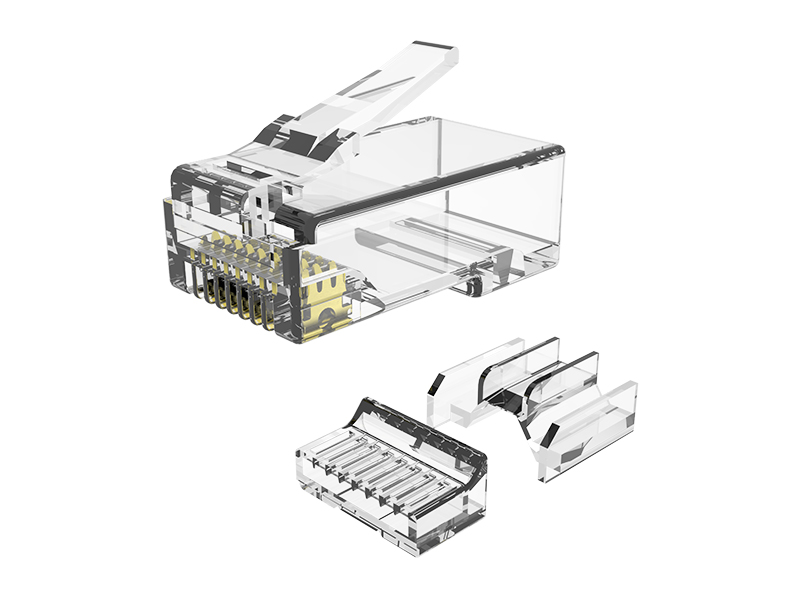
Unshielded Cat.6 RJ45 Connector Modular Plug
This is a very common component in network cabling. Simply put, it's the small, transparent plastic "head" you use to make network cables.
1. What is its purpose?
Connection bridge: Its main function is to connect the two ends of a network cable (such as a Cat.6 cable) to various network devices (such as computers, routers, switches, TV boxes, etc.) to establish a communication channel.
Making network cables: This plug is a necessary component for making finished network cables. You need to crimp it onto the end of the network cable.
Modular: The name "Modular Plug" means it's a standardized, easily pluggable component.
2. Why "Unshielded"?
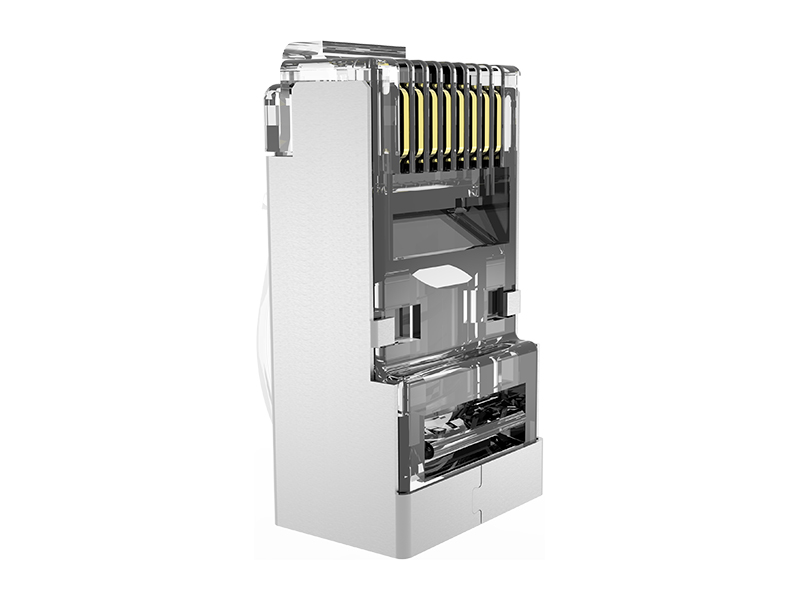
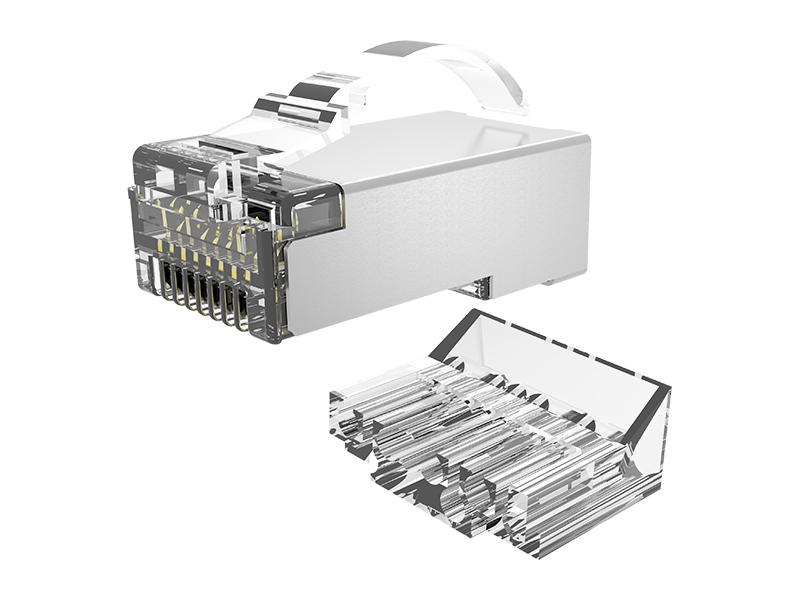
No protective sheath: "Unshielded" means that the plug itself and the inside of the network cable it connects to do not have a metal foil or braided mesh as an additional isolation layer to resist external electromagnetic interference (such as noise from lights, motors, or other wires).
Simple and economical: This structure is usually less expensive and easier to install than shielded plugs.
Suitable environment: It is suitable for most homes, ordinary offices, or environments with less interference. In places with serious interference, shielded plugs and cables may be needed.
3. Why "Cat.6"?
Performance level: "Cat.6" describes the network transmission performance standard it supports. It is faster than older Cat.5 or Cat.5e plugs and can carry higher data traffic.
Matching cable: This plug is designed to be used with Cat.6 cables. Its internal structure and wire arrangement are optimized for the high-speed transmission requirements of Cat.6 cables.
Backward compatibility: Although it's a Cat.6 plug, it can generally also be used with Cat.5e cables, but the performance will be limited by the cable itself.
4. Why "RJ45"? (Why "RJ45"?)
Standard model: "RJ45" is an internationally recognized interface standard that specifies the shape, size, and number of pins (metal contacts) of the plug and socket.
Eight small metal contacts: This type of plug typically has eight metal contacts (commonly known as "small metal pins"), corresponding to the eight wires inside the network cable. This is currently the most common and standard plug type for Ethernet connections.