

 中文简体
中文简体 English
 Français
 Deutsch
 عربى
عربى
Content
Cat8 Ethernet Cable: The Ultimate Guide to 40Gbps Networking
1. What is Cat8 Ethernet Cable? (The New Speed Standard)
Cat8 (Category 8) is the latest generation of copper twisted-pair cabling recognized by the TIA-568 and ISO/IEC 11801 standards.
Unlike its predecessors, Cat8 is specifically engineered for "short-reach" high-speed environments.
Key Technical Specifications:
-
Maximum Data Rate: Up to 40 Gbps
-
Bandwidth: Up to 2000 MHz (4x the frequency of Cat6A)
-
Maximum Distance: 30 meters (approx. 100 feet)
-
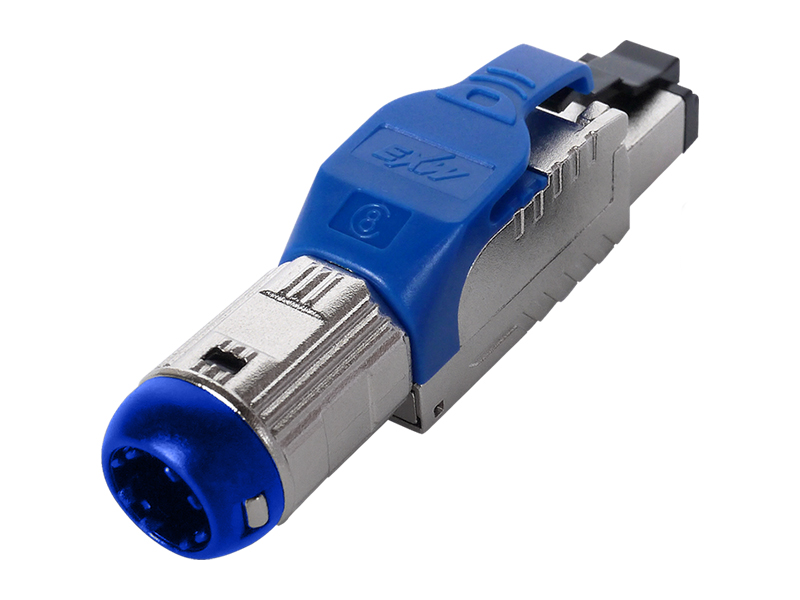
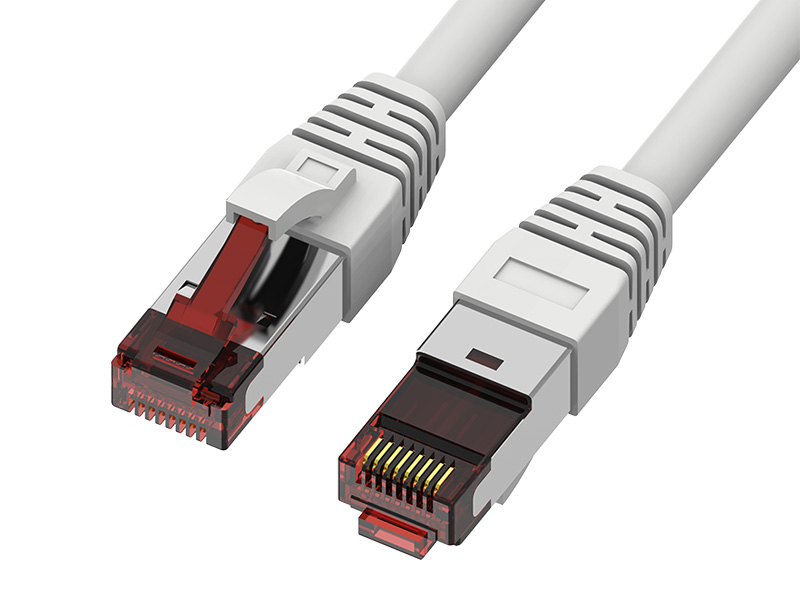
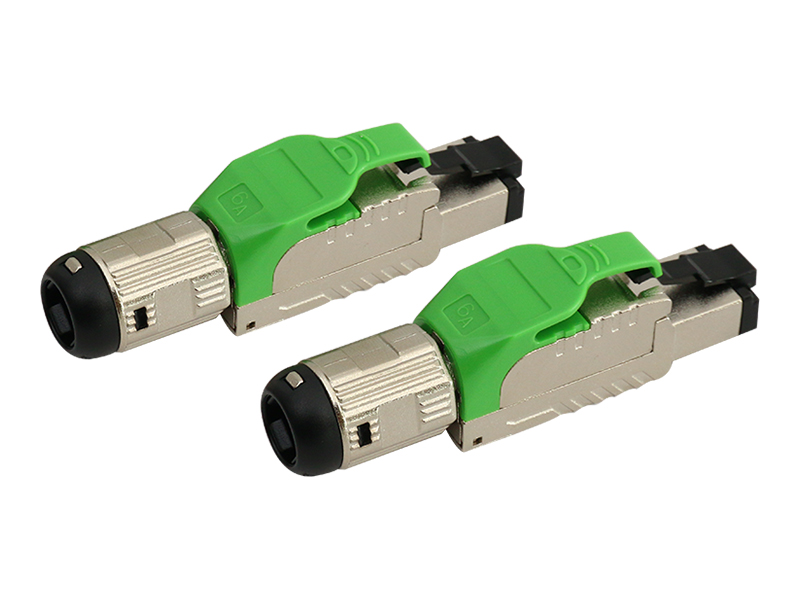
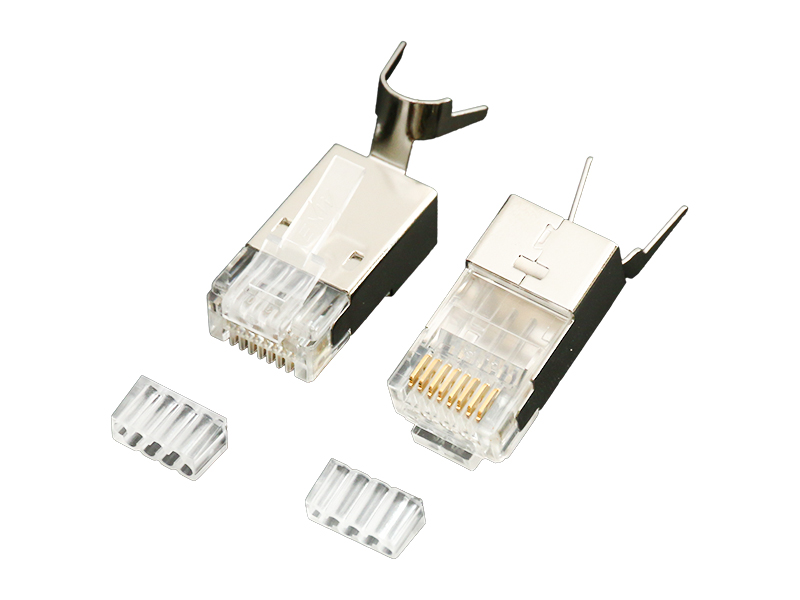
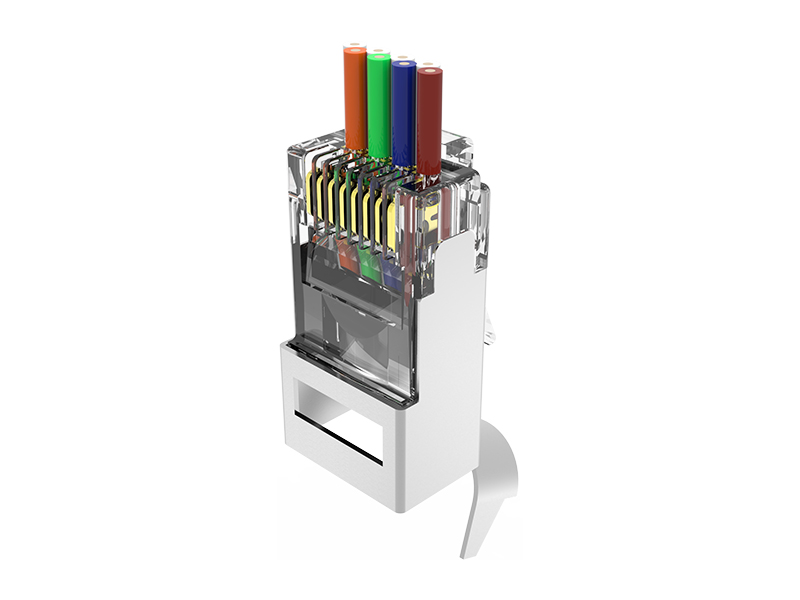
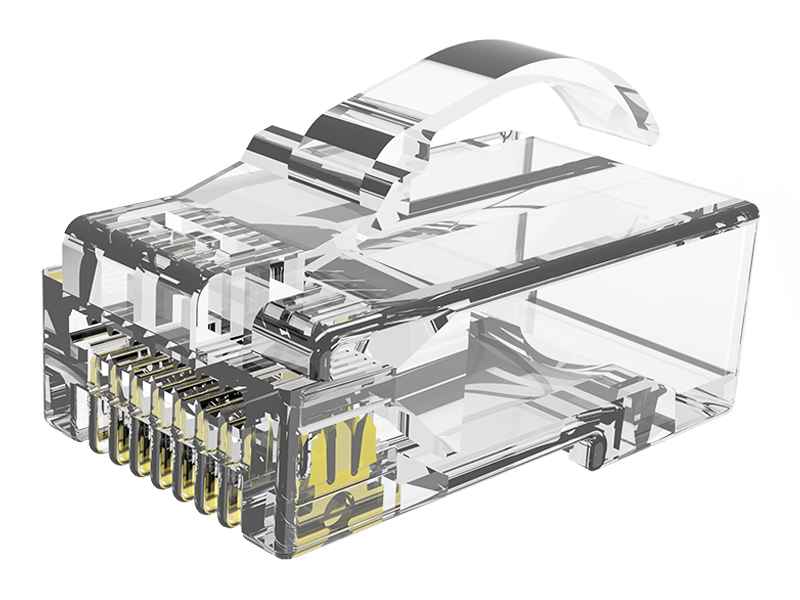
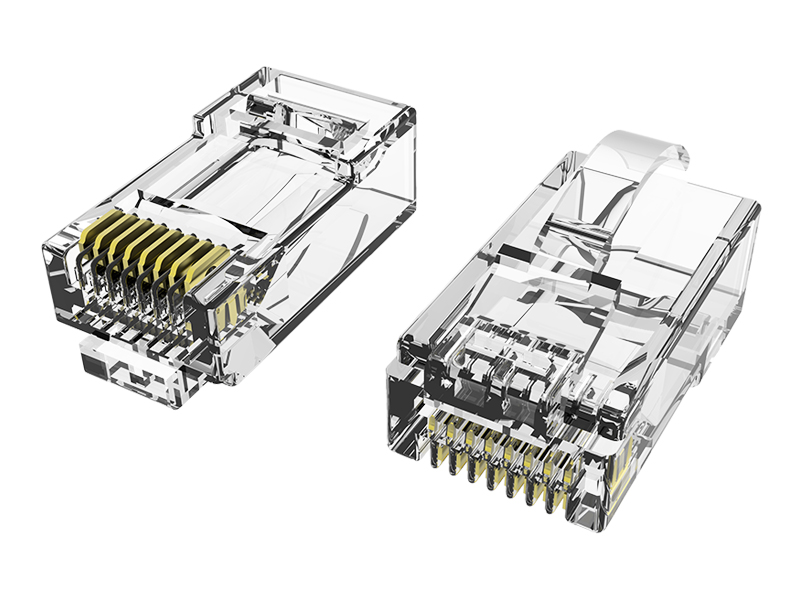
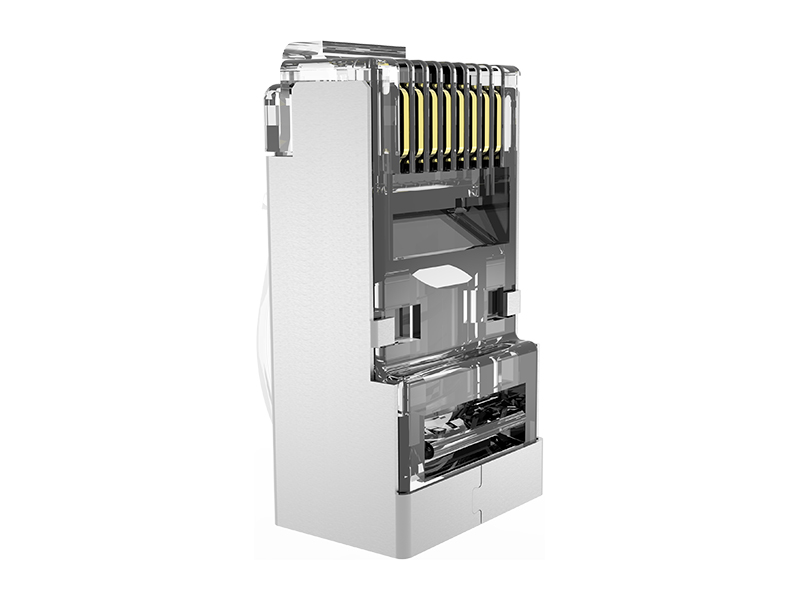
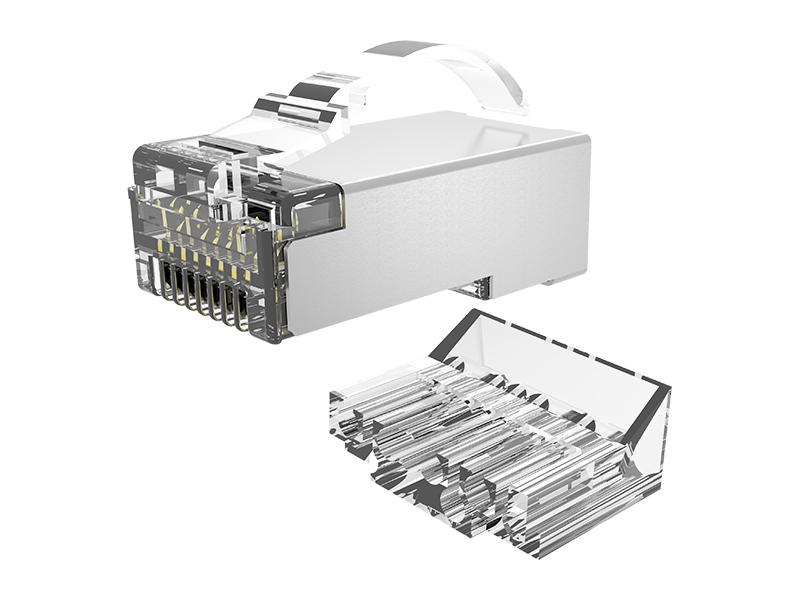
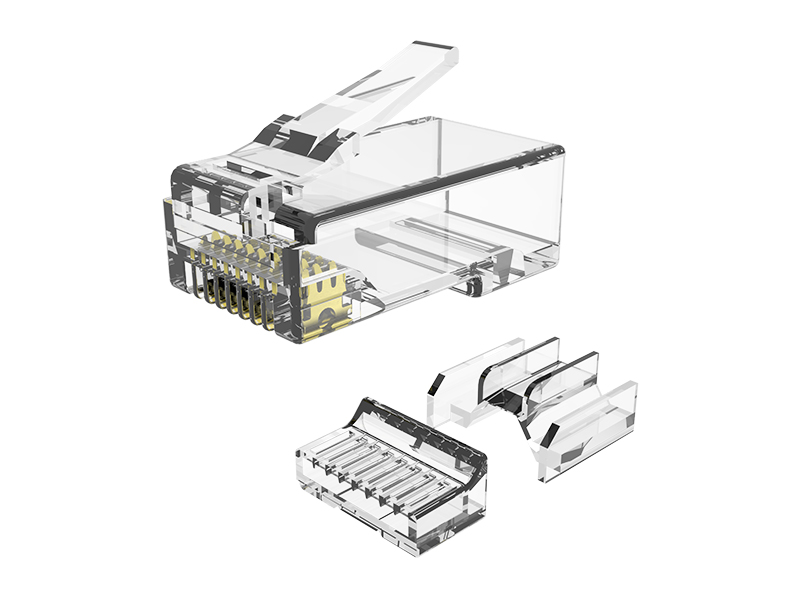
Connector: Shielded RJ45
-
Shielding: S/FTP (Screened Fully Shielded Twisted Pair) to minimize EMI/RFI.
Compared to earlier standards, Cat8 represents a massive leap in frequency, allowing for ultra-low latency and unparalleled reliability
in high-density environments.
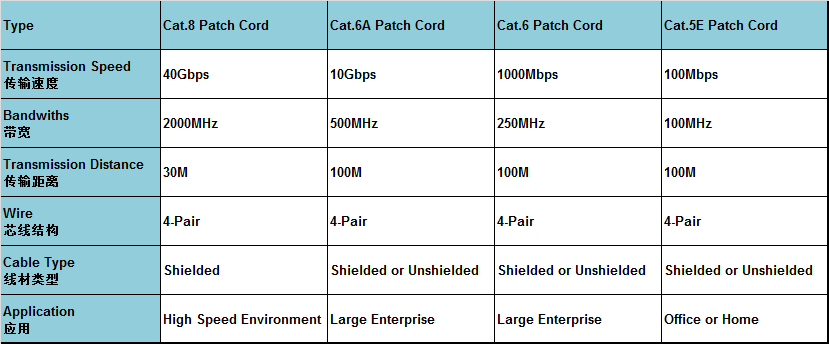
2. Cat8 vs. Cat6A vs. Cat6 vs. Cat5e: Comparison Table
Choosing the right cable depends on your speed requirements and distance. Here is a quick breakdown:
3. Top Practical Applications of Cat8 Cabling
Because of its high cost and physical thickness, Cat8 isn't for everyone. It shines in these specific scenarios:
3.1 Data Centers & Top-of-Rack (ToR)
In modern data centers, Cat8 is the go-to for connecting servers to switches within a single rack. The 30-meter limit is perfect for these short-range, high-bandwidth connections (25GBASE-T and 40GBASE-T).
3.2 High-Performance Computing (HPC)
For scientific research, AI training, and financial modeling, every millisecond counts. Cat8 provides the massive throughput needed for cluster computing.
3.3 Media Production & 8K Streaming
Professional video studios handling uncompressed 8K video or massive media libraries use Cat8 to ensure zero-lag data transfers between storage (NAS) and editing workstations.
4. Professional Installation Considerations
Installing Cat8 is more demanding than standard Cat6. Keep these factors in mind:
-
Shielding & Grounding: Cat8 cables are heavily shielded (S/FTP). If you don't use shielded RJ45 connectors and ensure proper grounding, you won't achieve the advertised 2000 MHz performance.
-
Bend Radius: Due to the thicker 22-24 AWG copper wires and layers of shielding, Cat8 is stiff. Avoid tight bends that could damage the internal structure.
-
Distance Limitation: Remember, performance drops significantly beyond 30 meters. For longer runs, Cat6A or Fiber Optic is required.
5. Is Cat8 Necessary for Your Home Network?
The short answer: Probably not.
For the average user, Cat6A is the "sweet spot" for future-proofing. However, you might consider Cat8 for a home setup if:
-
You have a 10Gbps+ Home Lab or local server.
-
You are a hardcore gamer looking to minimize every microsecond of local latency.
-
You want the absolute best short-link connection between your modem and a high-end Wi-Fi 7 router.
Note: For most residential internet plans (even 2.5 Gbps), Cat8 will not make your "internet speed" faster if your ISP is the bottleneck.
6. Conclusion: The Future of Copper Cabling
Cat8 Ethernet cable is a powerhouse designed for the next generation of data transmission. While it may be overkill for a standard office,
its 40Gbps capability makes it an essential tool for high-speed infrastructure.
Are you upgrading your network? If you need speed over short distances, Cat8 is the most robust copper solution available today.